


 English
 русский
In the world of surface decoration, selecting the right material goes far beyond aesthetics. For manufacturers and designers alike, the choice between printed decorative paper, wood veneer, PVC foil, and other laminates often determines not just the look but also the durability, production efficiency, and market appeal of the final product. Printed decorative paper has gained a prominent role in this selection process because of its versatility and cost-efficiency, but to make informed decisions, it’s important to compare it in detail with its counterparts.
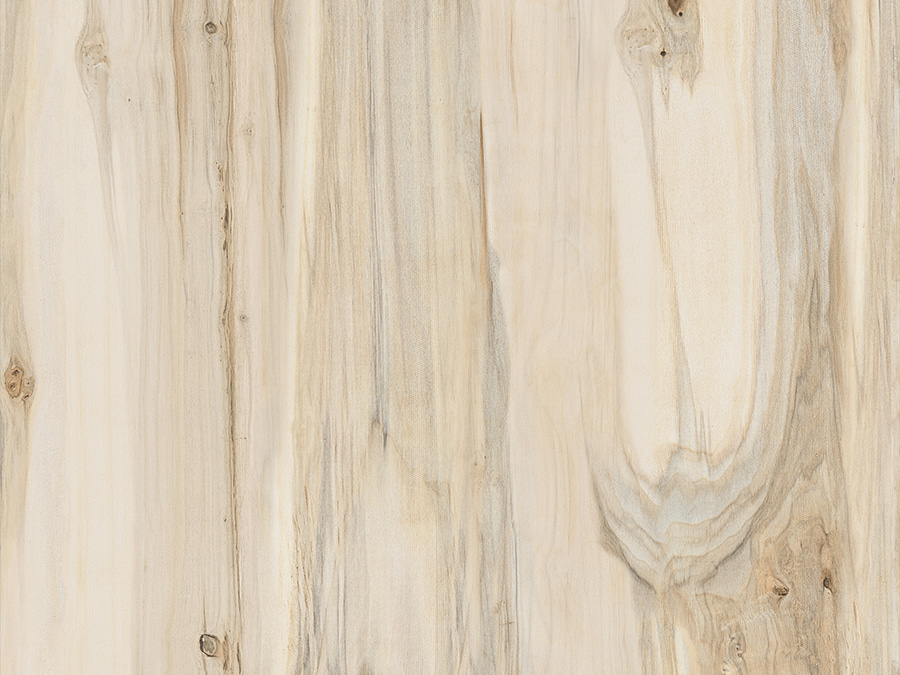
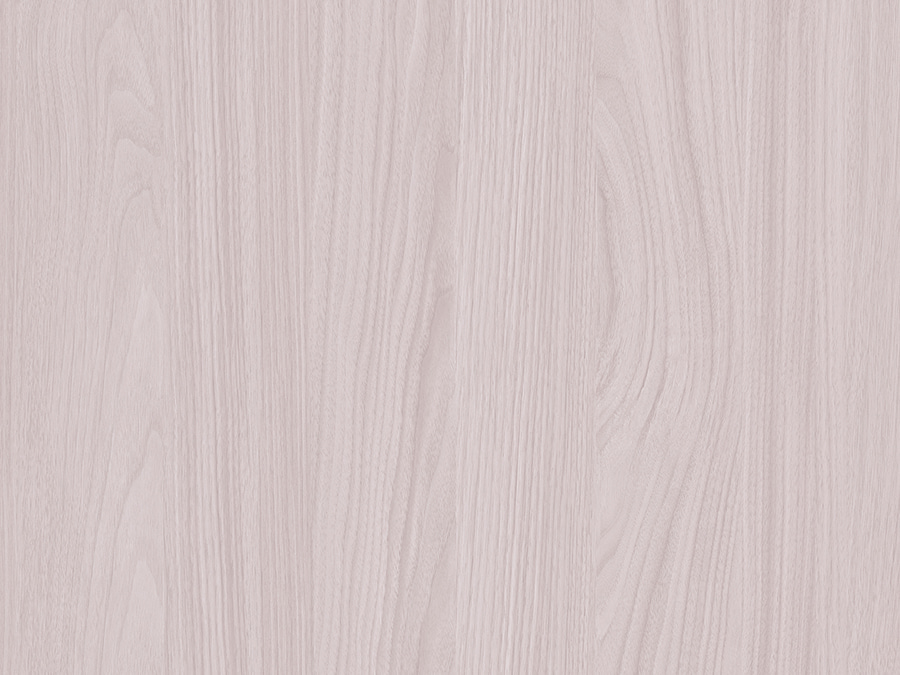
Printed decorative paper stands out for its ability to mimic a wide range of textures and materials—from natural wood grains to textile-like finishes—while maintaining design consistency across large production volumes. Unlike wood veneer, which is sourced from real timber and therefore subject to natural variation, printed paper delivers repeatable patterns that simplify quality control and visual uniformity. This reliability is particularly valuable for projects requiring mass production or modular design, where matching panels across batches is critical.
Compared with PVC foil or vinyl films, printed decorative paper offers a more eco-conscious and breathable surface. While foils provide a certain level of moisture and abrasion resistance, they can also introduce plasticity and odor concerns, especially in enclosed spaces. On the other hand, decorative paper—when properly impregnated and laminated—achieves similar durability levels with less environmental impact and often at a more competitive price point. For furniture manufacturers balancing sustainability and performance, this trade-off makes printed paper an appealing choice.
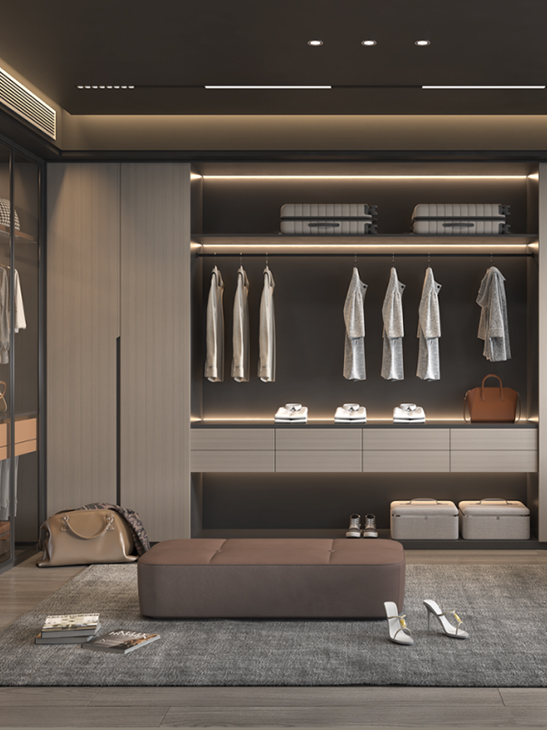
From a processing perspective, printed decorative paper integrates seamlessly with common substrate materials like MDF and particleboard. This compatibility supports both low-pressure and high-pressure lamination, offering manufacturers flexibility in selecting the most suitable production method for their end-use scenarios. Veneers, by contrast, often require more careful handling and may demand additional adhesive layers or surface treatments, raising labor and equipment costs during fabrication.
Design customization is another arena where printed decorative paper excels. Digital and gravure printing technologies allow for a wide range of pattern development, from hyper-realistic wood replicas to abstract motifs tailored to client preferences. While foils and veneers do offer some degree of customization, they are generally limited by the constraints of natural material availability or more complex processing requirements. With decorative paper, creative freedom and fast design cycles are far more attainable, especially when working with experienced suppliers who offer in-house design support.
In commercial applications such as retail interiors or office furniture, long-term surface performance and visual consistency are key. Printed decorative paper, when combined with protective overlay films or melamine resins, can provide a resilient, low-maintenance surface that holds up well to daily use. While solid laminates and foils also perform well in this regard, they can introduce rigidity or added weight—an important consideration for furniture pieces that prioritize form and mobility.
For clients seeking a balance between cost-efficiency, design versatility, and process compatibility, printed decorative paper is a solution worth serious consideration. As a manufacturer with deep experience in surface design and production, we’ve seen how this material helps clients bring their creative visions to life while keeping production smooth and scalable. Whether you're launching a new furniture line or upgrading existing designs, choosing the right surface material can make all the difference—and printed decorative paper is ready to meet the challenge.
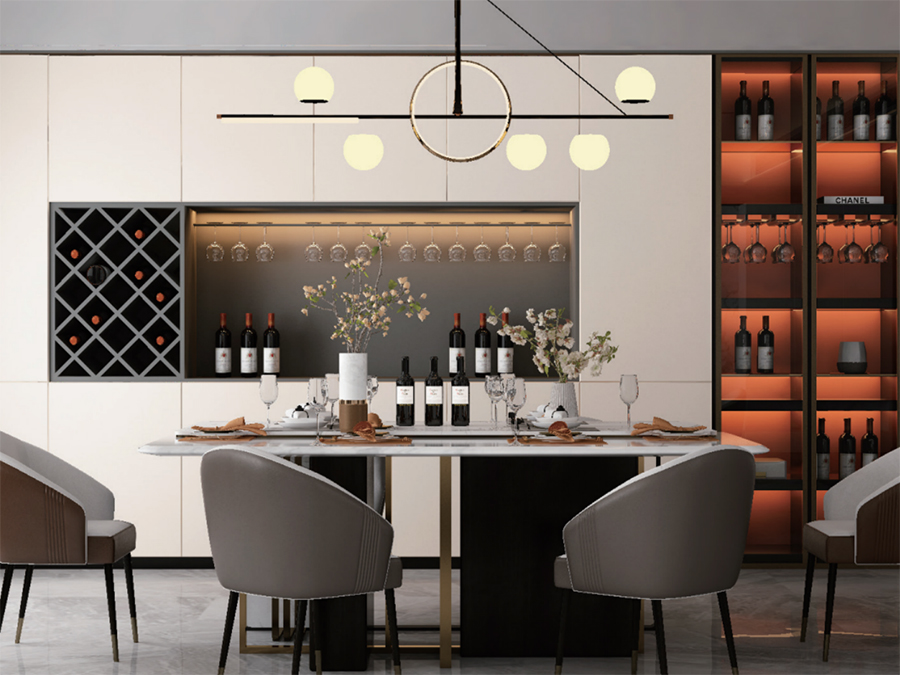
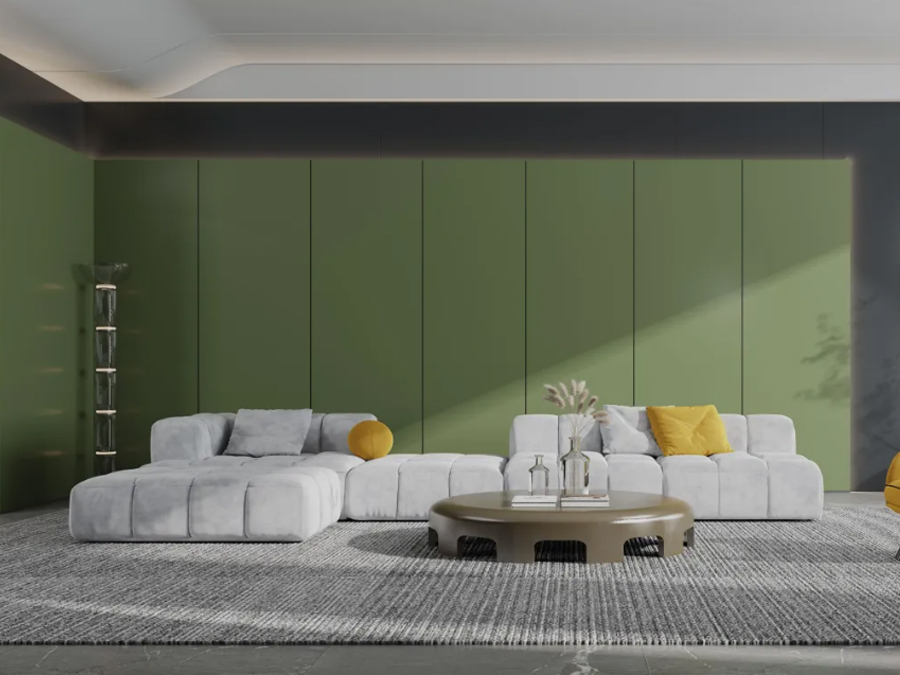

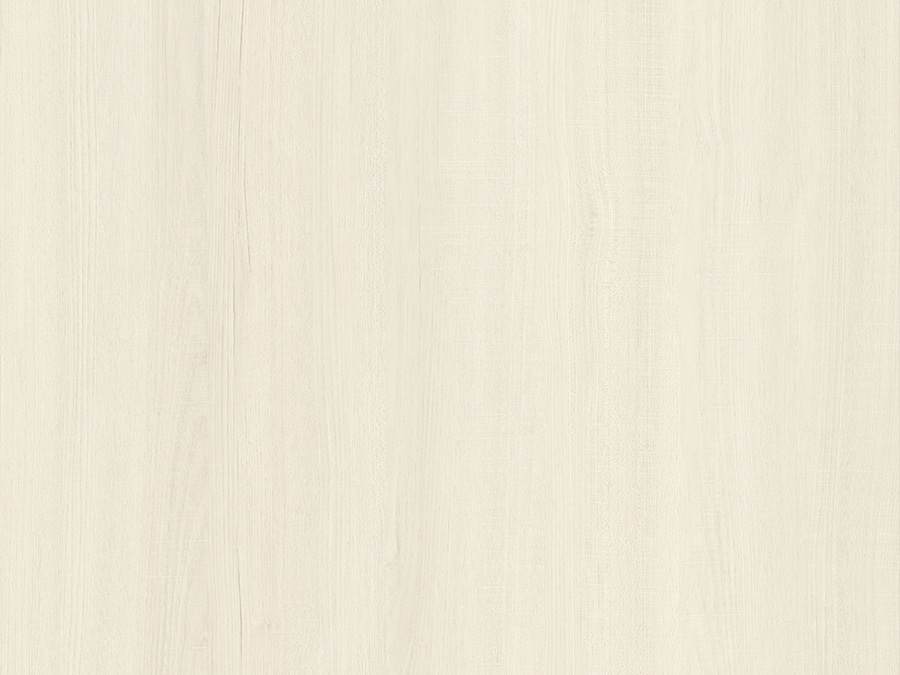






 Launch your project from a free price list tailored to your needs.