


 English
 русский
When it comes to surface materials for modern furniture and panel products, durability and aesthetics are often at the top of the priority list. Among the most commonly considered options are wood grain melamine-impregnated decorative paper, natural wood veneer, and PVC film laminates. Each has its own technical strengths, but when customers are looking for a balanced solution that performs reliably in both residential and commercial environments, melamine-coated surfaces are gaining ground for good reason. Understanding how these materials behave under real-world usage conditions is essential for manufacturers, distributors, and design professionals who care about long-term product performance.
Wood grain melamine-impregnated decorative paper offers a strong balance between form and function. Once bonded under heat and pressure onto engineered wood substrates like MDF or particleboard, the melamine resin forms a hard, protective layer that resists common surface damage. Unlike veneers, which may require regular sealing or finishing, and can be prone to scratching or staining, melamine-finished panels provide a consistent level of resistance to abrasion, heat, and moisture. In particular, the structure of the resin-impregnated layer creates a dense, closed surface that minimizes the risk of everyday wear and tear — an important consideration for kitchens, desktops, retail shelving, and other high-contact zones.

In contrast, while PVC films can offer a wide range of finishes and colors, their performance under heat and mechanical stress is often lower than melamine paper laminates. PVC can soften or deform under prolonged exposure to high temperatures, which limits its use in certain interior applications. Additionally, thinner PVC coatings may lack the scratch resistance needed for frequent-use environments. Veneer, as a natural material, offers unmatched authenticity in grain and texture, but it is sensitive to UV discoloration and requires careful maintenance, especially in humid conditions. For clients seeking durability without constant upkeep, melamine surfaces present a pragmatic and cost-effective alternative.
It’s worth noting that not all melamine-impregnated decorative paper is created equal. Variables like paper grammage, resin quality, press parameters, and overlay structure all influence the final surface strength. High-quality manufacturers fine-tune these parameters to deliver melamine laminates that meet or exceed international standards for wear resistance and impact tolerance. By contrast, inconsistency in veneer thickness or poor-quality PVC film adhesives can result in premature delamination or visible flaws over time. This is why working with experienced suppliers matters, especially for businesses seeking stable, large-volume output.
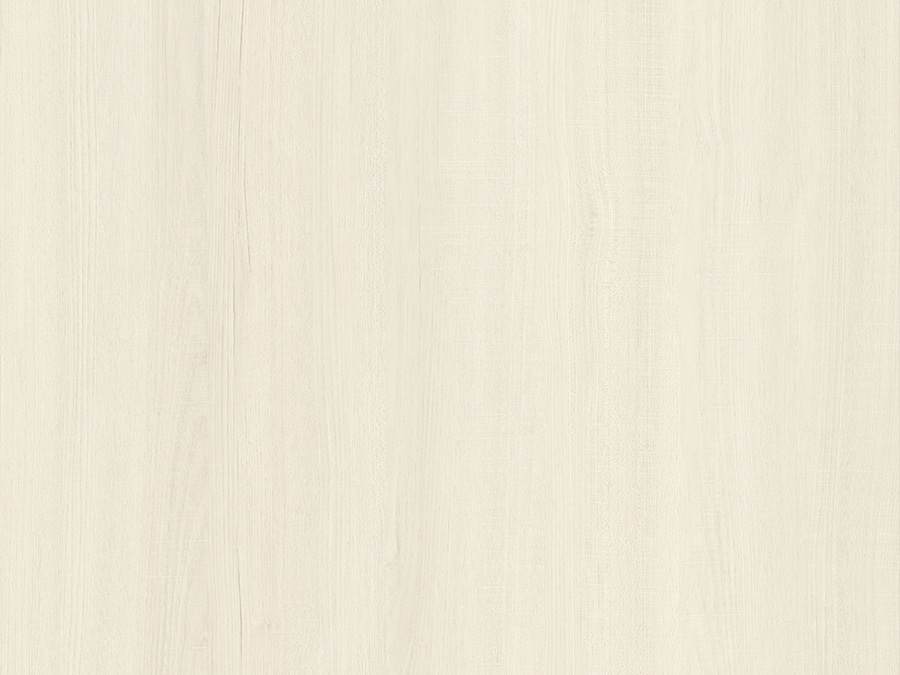
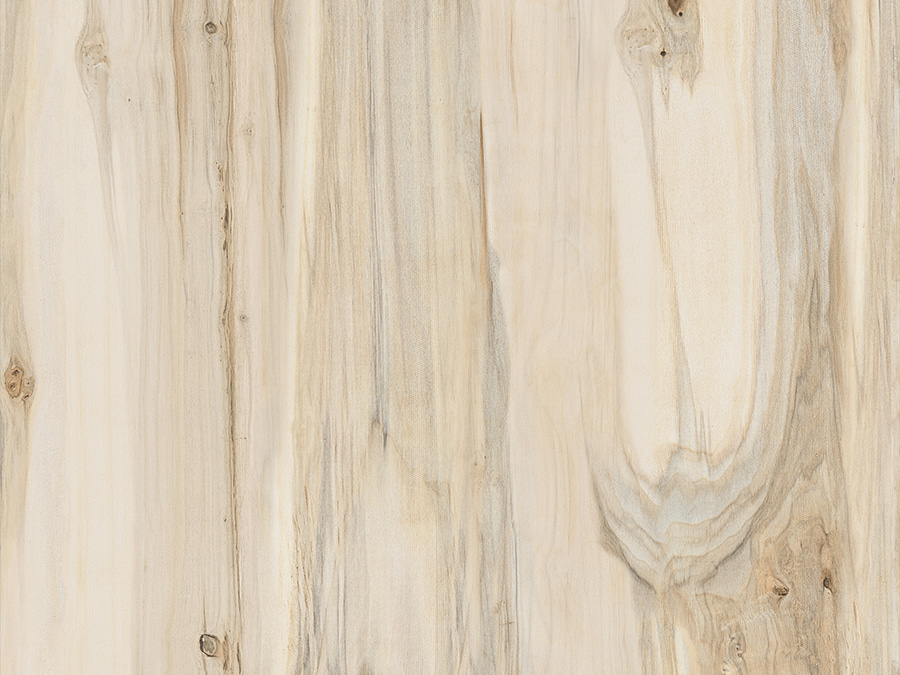
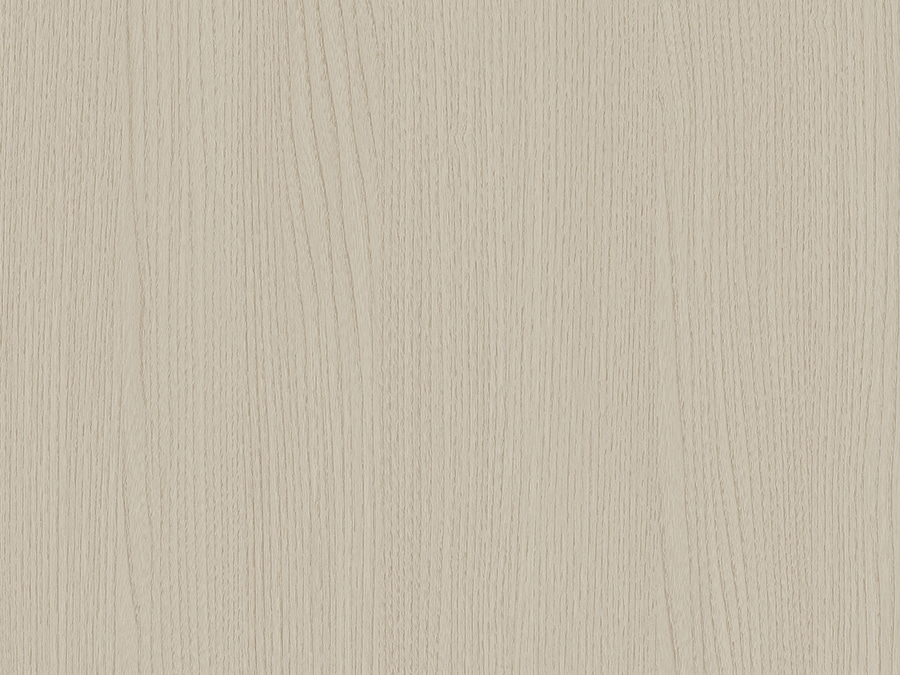
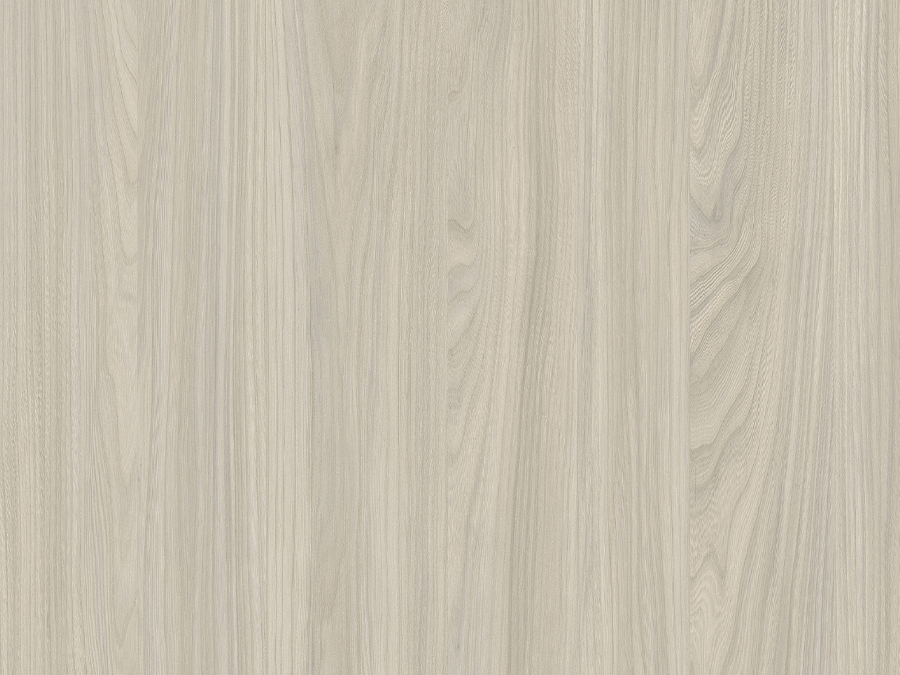
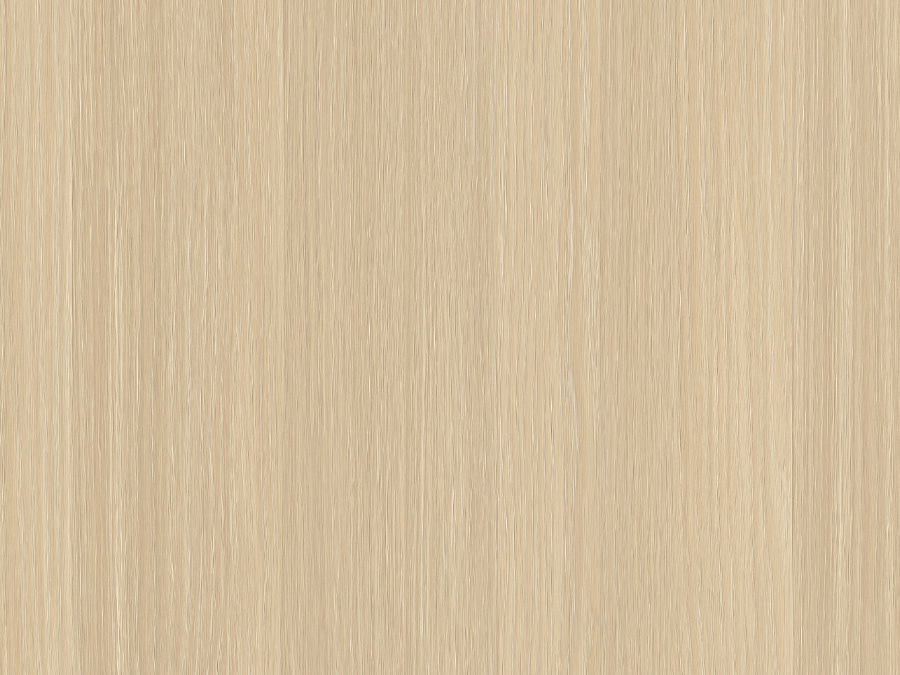
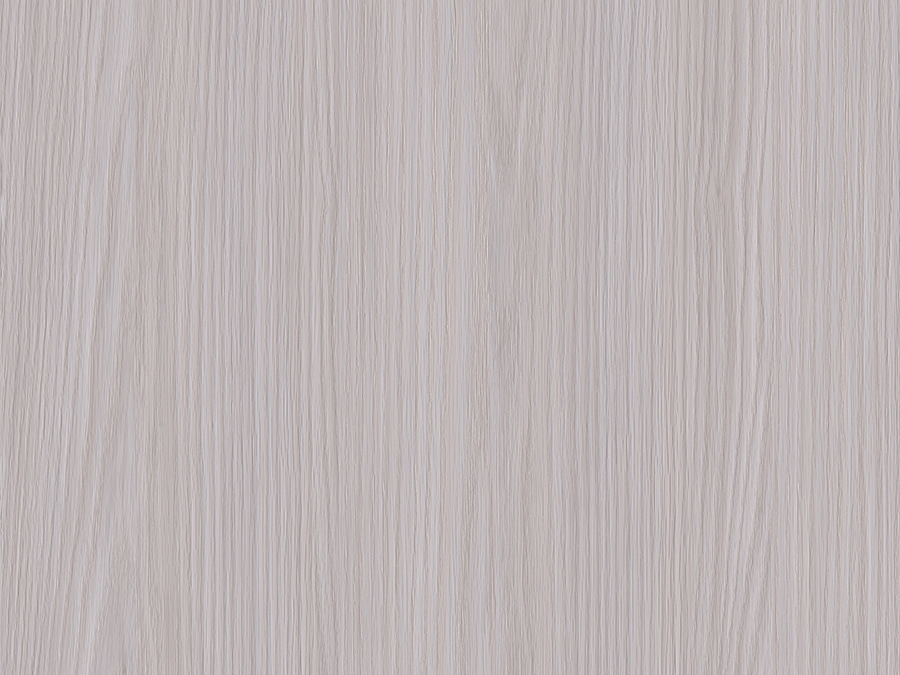
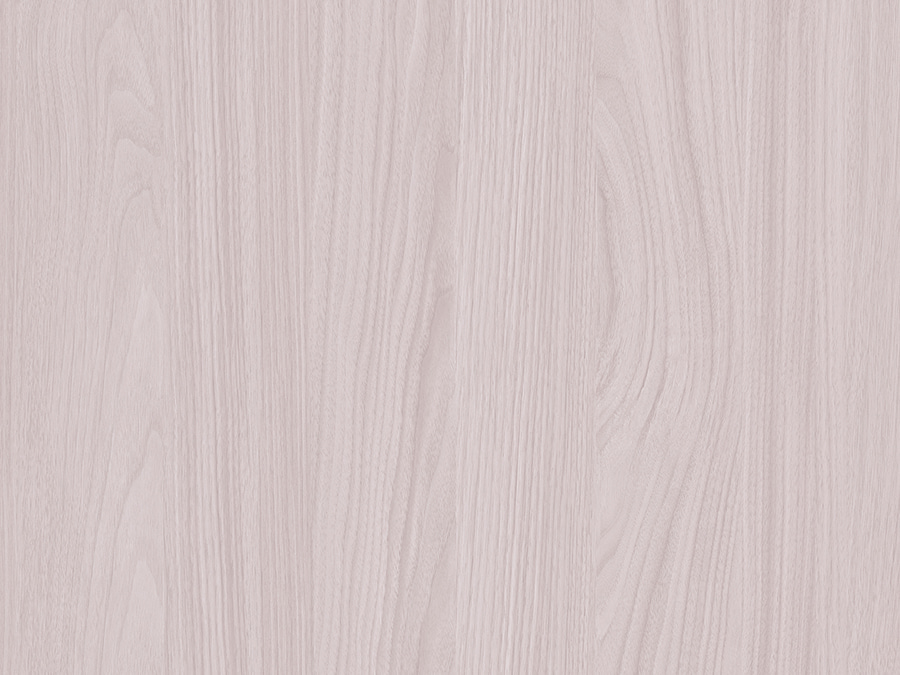
From a design flexibility standpoint, melamine decorative paper also excels. It can simulate a wide range of wood species and grain orientations—oak, walnut, teak, ash—while ensuring consistency across large production batches. For OEM clients or brand builders, this consistency is key for maintaining quality standards across product lines. Veneers, due to their natural origin, vary from sheet to sheet, which may not be suitable for all project specifications. PVC, though uniform, often lacks the fine visual detail and tactile realism achievable with modern melamine print and overlay systems.
For B2B clients who prioritize performance under pressure—literally—melamine-impregnated decorative paper remains a smart choice. Whether the application involves cabinetry, wall panels, or contract furniture, the surface strength it provides is supported by decades of technical evolution in the laminates industry. It is not just about mimicking the look of wood, but about delivering engineered reliability where it matters most. Choosing the right surface material is not only a design decision but a business decision, one that impacts durability, customer satisfaction, and long-term value.
If you're sourcing surface solutions that offer beauty, strength, and scalability, consider integrating melamine-impregnated decorative paper into your product lineup. As a professional manufacturer and supplier in this field, we’re here to support your material decisions with technical guidance, stable quality, and flexible customization options tailored to your market needs.







 Launch your project from a free price list tailored to your needs.