


 English
 русский
What melamine papers for furniture are and where they fit
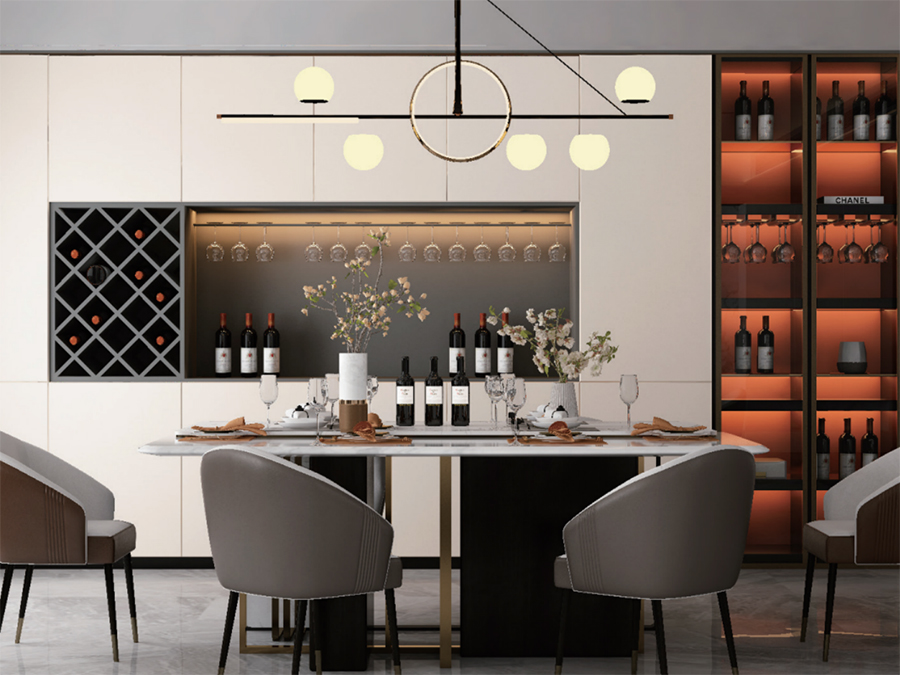
Melamine papers for furniture are decorative papers designed to be impregnated with melamine-formaldehyde resin and thermally bonded onto wood-based panels such as particleboard, MDF, and plywood. The result is a melamine-faced surface (often called MFC when used on chipboard) that provides a consistent décor, a sealed surface, and practical resistance to everyday wear.
In typical furniture manufacturing, melamine paper is chosen because it balances appearance and throughput: it enables high-volume production of cabinet carcasses, shelving, wardrobes, office furniture, and retail fixtures with stable color matching and repeatable press performance.
Common furniture panel constructions using melamine paper
- Melamine-faced chipboard (decor paper on both sides for carcasses and shelves)
- Melamine-faced MDF (smoother substrate for painted-look solids and clean edges)
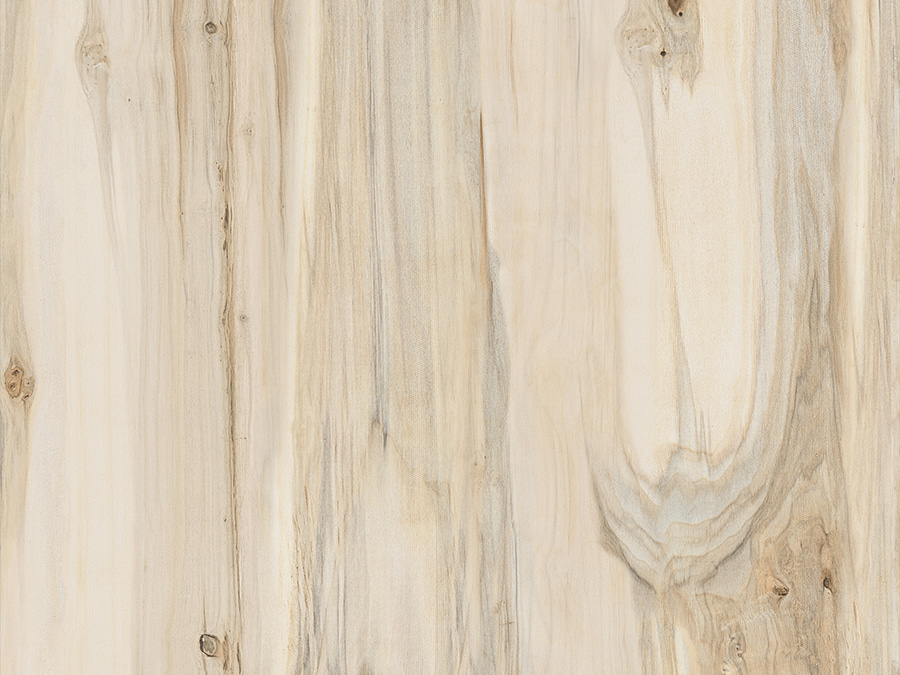
- Synchronized texture panels (embossed plates aligned to woodgrain for premium fronts)
Practical rule: if the surface must be easy to clean, color-consistent, and fast to manufacture at scale, melamine papers for furniture are usually a first-choice décor layer.
Key specifications to evaluate before you buy
Not all melamine paper programs press the same. For purchasing and quality control, focus on measurable specs that predict press stability, surface durability, and décor consistency.
Paper weight and opacity
Decorative base papers commonly run in the range of 70–120 gsm depending on décor, printing density, and target finish. Heavier papers can improve hide and handling but may require adjusted resin pickup and press energy. Light papers can be efficient but are less forgiving over darker substrates or repaired boards.
Resin pickup and volatile content
Impregnation targets usually specify resin solids add-on and remaining volatiles. As a practical reference for many furniture-grade programs, a melamine-impregnated décor may run around 45–60% resin solids add-on with controlled volatiles to prevent blistering while still allowing flow in press. The “right” window depends on press type, cycle time, plate temperature, and desired surface gloss.
Color consistency and print fidelity
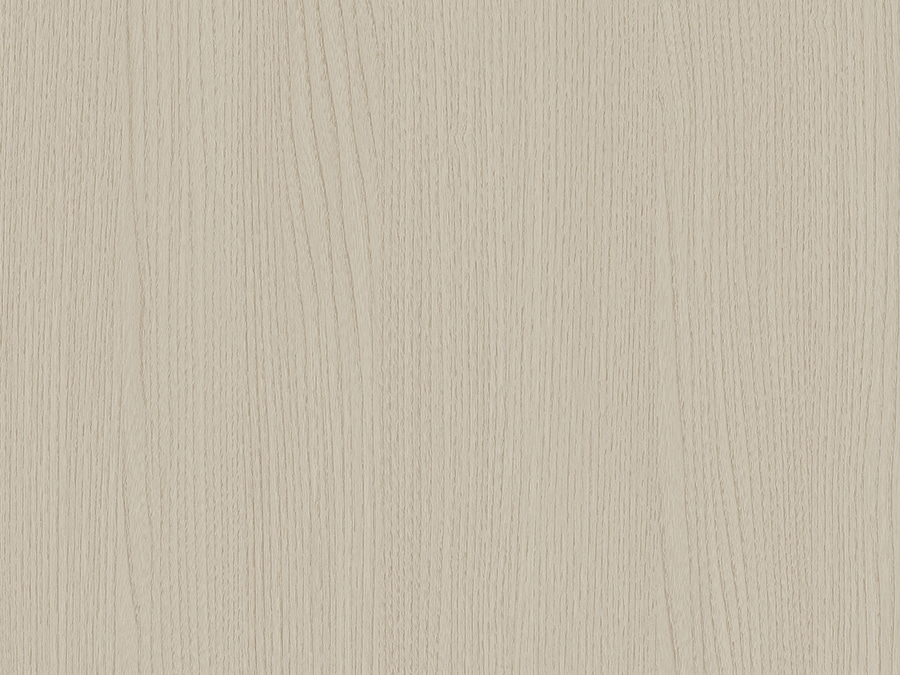
For furniture sets, color control matters as much as abrasion resistance. Require supplier documentation on batch-to-batch color tolerances, décor repeat alignment, and viewing conditions. In practice, you want a stable match across lots so replacement panels and future production runs do not visually shift.
Surface finish compatibility
Confirm whether the paper program is intended for smooth, matte, high gloss, or synchronized emboss. The plate texture and resin flow behavior must work together; a décor that looks excellent in matte can telegraph defects in gloss if the resin/volatile window is not tuned.
| Spec | Why it matters | Practical acceptance approach |
|---|---|---|
| Basis weight (gsm) | Affects hide, handling, and resin demand | Set a décor-specific gsm target and tolerance; verify per lot |
| Resin solids add-on | Controls flow, cure, and surface closure | Supplier CoA + periodic incoming checks; link to defect data |
| Volatiles | Too high can blister; too low can reduce flow | Maintain a press-proven range; adjust with season/humidity |
| Color/print tolerance | Prevents mismatched parts in assembled furniture | Approve master standard; enforce lot sign-off against it |
How to choose the right melamine paper by furniture application
Selection should be driven by use-case stress, cleaning exposure, and visual expectations. A “one paper for everything” strategy often increases rejects or over-specifies cost.
Carcass interiors and hidden surfaces
- Prioritize stable press behavior and consistent color rather than premium texture
- Choose décor with reliable opacity to reduce substrate show-through and rework
- Cost lever: simpler print/finish programs often reduce scrap without impacting perceived value
Shelves, desktops, and work surfaces
These parts see abrasion, sliding objects, and frequent cleaning. Specify a décor program intended for higher wear and demand supporting performance data from the supplier (abrasion and scratch performance appropriate to the market segment).
Visible fronts and premium woodgrains
For doors and drawer fronts, visual realism and texture alignment can matter more than maximum abrasion. If you use synchronized embossing, ensure the décor repeat and press plates are matched and that your line control prevents registration drift.
High-gloss programs
Gloss magnifies defects. Choose papers and resin systems proven for gloss plates, with tight controls on dust, plate condition, and board surface prep. If your environment is not clean-room-like, consider matte or low-sheen alternatives to reduce visible rejects.
Pressing parameters that typically control outcomes
Melamine paper performance is realized in the press. While exact settings depend on equipment and resin system, most furniture lines manage the same core variables: temperature, pressure, time, and moisture/volatiles.
Reference operating window (common starting point)
- Plate temperature: 160–180°C (enough to cure efficiently without scorching paper)
- Pressure: 20–35 bar (supports surface closure and texture replication)
- Cycle time: 15–30 seconds for many short-cycle presses (varies by board, décor, and finish)
Use these as a baseline only: validate your optimum setpoints with a structured trial matrix tied to defect rate, gloss/texture targets, and downstream machining performance.
A practical trial plan to stabilize a new décor
- Lock substrate variables first (same board supplier, thickness, sanding spec, moisture window).
- Run a temperature-time matrix (two temperatures, three cycle times) while holding pressure constant.
- Check immediate surface defects, then confirm cure and post-cure stability after 24 hours.
- Only then tune pressure for texture replication and gloss control.
Handling and conditioning
Condition melamine papers and boards to a stable factory climate before pressing. Seasonal humidity swings can shift volatiles and paper behavior, which can increase blisters, silvering, or edge issues even when press settings remain unchanged.
Quality control tests that predict real furniture performance
A good QC plan blends incoming checks (paper/resin consistency), in-process controls (press stability), and finished panel tests (fitness for use). The goal is to detect drift before it becomes a large scrap event.
Incoming and in-process controls
- Visual inspection under standard lighting against an approved master
- Spot checks for paper weight and sheet uniformity (to prevent patchy hide)
- Monitoring press plate cleanliness and release performance (to reduce gloss haze and sticking)
Finished panel performance checks (application-driven)
Select tests based on the part’s duty cycle. For example, desktops and retail fixtures should have more stringent abrasion/scratch and chemical resistance checks than carcass interiors. For edge machining, ensure the cured surface does not chip excessively during saw or CNC operations.
| Furniture part | Typical stresses | Priority checks |
|---|---|---|
| Shelves | Sliding, stacking, cleaning | Abrasion/scratch, stain resistance, visual consistency |
| Desk/worktops | High contact, chemicals, heat from devices | Chemical resistance, abrasion, surface cure stability |
| Doors/fronts | Visibility, fingerprints, cleaning | Gloss/texture uniformity, color match, scratch visibility |
| Carcass interiors | Low wear, occasional cleaning | Color consistency, adhesion, basic stain resistance |
Common defects in melamine-faced furniture panels and how to prevent them
Most failures trace back to a mismatch between paper condition (resin/volatiles), substrate condition (moisture/sanding), and press settings (temperature/time/pressure). Use defect-driven root cause analysis rather than repeated “small tweaks” that are not documented.
Blisters or bubbles
- Likely drivers: excess volatiles, high board moisture, too-fast heat ramp, contaminated plates
- Controls: condition boards, validate volatile window, increase venting/time where possible
Silvering or haze (especially on dark décors)
- Likely drivers: micro-entrapped air, inadequate flow, plate contamination, worn release behavior
- Controls: improve cleanliness, adjust temperature/time for flow, ensure stable conditioning
Edge chipping during cutting or CNC
Chipping often indicates either excessive brittleness (over-cure), weak adhesion, or poor substrate edge integrity. Align press cure with tooling sharpness and feed settings; do not attempt to “solve” a tooling problem purely through resin/press changes.
Operational best practice: maintain a defect log with décor, lot number, press recipe, board moisture, and plate ID so corrective actions are based on evidence rather than memory.
Cost drivers, lead time, and a procurement checklist
Total cost is not only the paper price per square meter. In furniture manufacturing, the dominant cost impact often comes from yield loss (rejects, rework, downtime) and from the complexity of maintaining décor continuity across production runs.
What usually increases cost
- Special effects (deep emboss, synchronized texture, high gloss, super-matte anti-fingerprint)
- Tight color tolerances across multiple lots or factories
- Low minimum order quantities for custom décors
Procurement checklist for melamine papers for furniture
- Define application class: interior, vertical, horizontal, high-wear, gloss, or synchronized texture.
- Approve a master standard (color/texture) and document viewing conditions.
- Request CoA fields that matter: gsm, resin solids add-on, volatiles, and batch traceability.
- Run a controlled press trial and lock a recipe linked to the décor and substrate.
- Agree on claim handling: sample size, retention samples, and decision timelines.
Commercial takeaway: the best supplier is usually the one that reduces variance (and scrap) the most, not the one with the lowest unit price.
Sustainability and compliance points to confirm
Furniture buyers increasingly require emissions, sourcing, and chemical transparency. Melamine surfaces can support these goals, but only if the supply chain documentation is complete and aligned with your target markets.
Documentation that often matters in furniture programs
- Formaldehyde emissions compliance for the finished panel system (paper + resin + board)
- Responsible fiber sourcing claims for the decorative base paper where applicable
- Restricted substances declarations relevant to your regions and customer requirements
Practical actions to reduce waste
Reduce rejects by standardizing conditioning, improving cleanliness around press loading, and controlling décor changeovers. Even a modest yield improvement can outweigh a small price premium on melamine papers for furniture.









 Launch your project from a free price list tailored to your needs.