


 English
 русский
Overview: What is melamine panelling and when to use it
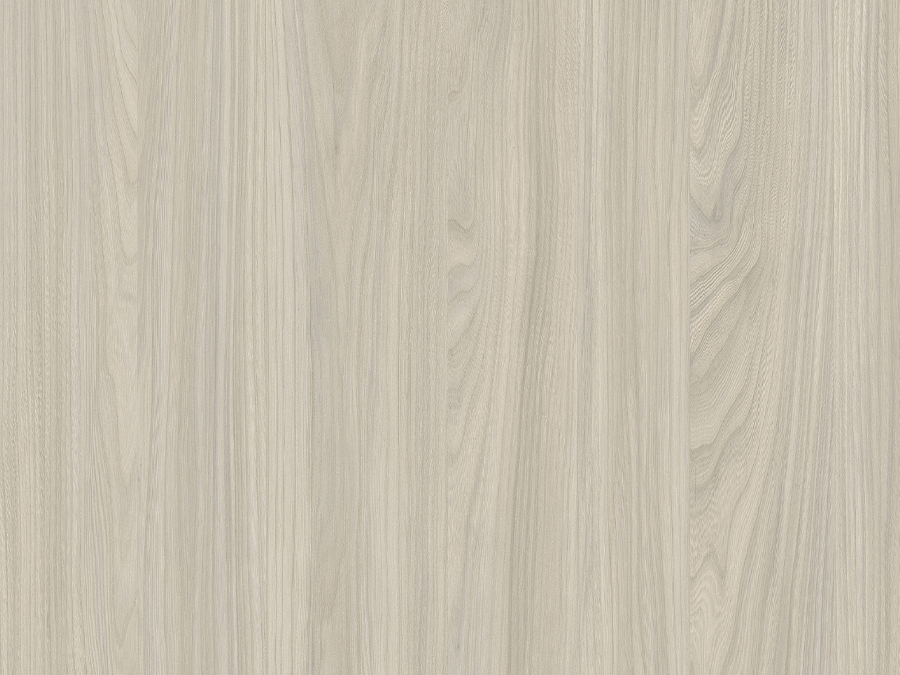
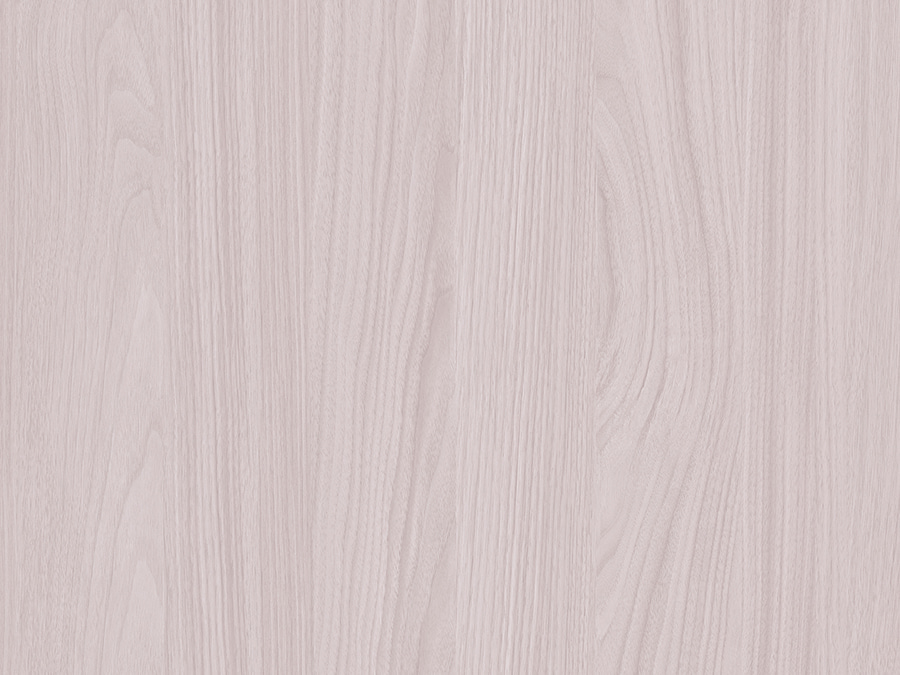
Melamine panelling consists of a paper or film impregnated with melamine resin fused to a substrate (commonly MDF or particleboard). It is chosen for smooth, durable, low-cost surfaces in cabinetry, shopfitting, wall linings and shelving. Practical use depends on correct substrate selection, edge treatment and fixing method — mistakes in these areas cause delamination, edge chipping and poor long-term performance.
Selecting panels and substrates
Choose the melamine faced board according to load, environment and finishing needs. Typical options:
- MDF + melamine — best for smooth finishes, painting edges or edge-banding; less resistant to moisture.
- Particleboard + melamine — cost-effective for shelving and joinery with light exposure to humidity.
- Plywood + melamine — stronger, better resistance to warping in slightly humid spaces.
Match thickness and panel grade to function: thin panels for cabinet doors (9–12 mm), heavier panels for shelving and worktops (18–25 mm). See the quick reference table below for practical pairings.
Quick reference: thickness, typical uses and screw recommendations
| Thickness | Typical use | Screw/type & spacing |
| 9–12 mm | Cabinet doors, light panels | Min. 25 mm screw to carcass or screened with confirmat screws; 150–200 mm spacing |
| 16–18 mm | Cabinets, shelving, carcasses | 35–45 mm screws or confirmats; 250 mm spacing for shelving supports |
| 20–25 mm | Worktops, heavy-duty shelves | 45–60 mm screws or dowel joints; 300 mm spacing |
Cutting and edge protection: best practices
Melamine faces chip easily if cut or routed incorrectly. Use the right blades, correct feed direction and immediate edge treatment. Two common high-quality outcomes are clean-cut panels and professionally edge-banded edges.
Tools and blades
Recommended tools: table saw with zero-clearance insert, track saw, fine-tooth carbide blades (80–120 T for table saw), or a sharp scoring blade. Use sacrificial backing boards or top-side scoring to reduce breakout on the face veneer.
Cutting techniques
- Score the decorative face across the cut line before full cut when using circular saws to prevent chipped edges.
- Feed direction: cut from the good face side against the blade rotation on track saws; on table saws support the offcut to prevent tear-out.
- For internal routing (e.g., hinge pockets) use sharp straight bits and take light passes to avoid heat build-up and delamination.
Edge-banding options
Edge-banding hides exposed substrate and protects edges. Common methods:
- Pre-glued iron-on tape — fast, low-cost; requires accurate heat and trimming.
- PVC or ABS edge strips applied on hot-melt glue — robust for wet areas if material is specified for humidity.
- Veneer or lipping — used when painting or staining edges later; needs careful adhesive and clamping.
Fixing, joining and adhesives
Fixing melamine-faced boards requires pre-drilling, correct fasteners and the right adhesives to avoid stress at joints and visible defects. Avoid forcing long screws into thin panels without reinforcement.
Mechanical fixings
- Pre-drill pilot holes and countersink lightly to avoid splitting the substrate and tearing the melamine skin.
- Use confirmat screws for MDF/particleboard joints — they bite well and reduce split-out compared with standard wood screws.
- Cabinet connection: use cam/dowel fittings for knock-down furniture where possible to preserve panel edges.
Adhesives and gluing techniques
Adhesive choice depends on application: PVA for edge lipping, polyurethane glue for moisture-prone areas, and contact adhesive or hot-melt for edge-banding. Apply even pressure with cauls or clamps and remove squeeze-out immediately; heat can reactivate some adhesives and cause staining if left.
Thermal expansion, humidity and environment considerations
Melamine panels expand and contract with temperature and moisture. Always design joinery with expansion gaps, avoid permanently clamping panels at all edges and isolate panels from direct plumbing or continuous wetting.
- Allow 2–3 mm expansion gap at long edges for runs longer than 2.5 m; increase gap in humid climates.
- Seal cut ends with primer or edge band to reduce moisture ingress into the substrate.
Finishing, maintenance and cleaning
Proper finishing and cleaning prolong panel life and preserve appearance. Use pH-neutral cleaners and avoid abrasive pads that remove the resin finish.
- Daily clean: soft cloth and mild detergent or specialized melamine cleaner; rinse and dry immediately.
- Stain removal: apply isopropyl alcohol sparingly on a cloth for ink or marker; test in an inconspicuous spot first.
- Repair small chips: build-up with two-part epoxy filler, sand flush and touch up with matching paint or marker for color.
Safety and regulatory considerations
Be aware of formaldehyde emissions from MDF/particleboard cores; specify low-emission (E1/E0) boards for interiors and comply with local building and fire-rating requirements. Melamine surface itself is not highly fire-resistant — for critical applications choose boards with tested fire classifications.
Common problems and troubleshooting
Below are recurring issues on site and how to fix them quickly:
- Edge chipping during cut — re-cut with zero-clearance, use finer-tooth blade or score the face first.
- Delamination after water exposure — remove water source, dry thoroughly and replace compromised panels or re-bond with waterproof adhesives if salvageable.
- Peeling edge band — apply heat and roller pressure for pre-glued tape or remove and reapply with appropriate hot-melt glue and pressure; use solvent-free adhesives recommended by the manufacturer.
Checklist for a successful melamine installation
- Confirm substrate type, panel grade and thickness before ordering.
- Plan panel runs with expansion gaps and service access in mind.
- Use correct blades, pre-drill fixings and protect edges immediately after cutting.
- Specify low-emission cores in occupied spaces and check fire-rating if required.
Following these practical guidelines will reduce installation faults and extend the life of melamine panelling in cabinetry and interior fit-outs. For bespoke applications (wet rooms, structural shelving, or fire-rated installations) consult product technical data sheets and accredited fabricators.









 Launch your project from a free price list tailored to your needs.