


 English
 русский
What is MDF?
MDF, or Medium Density Fiberboard, is made from fine wood fibers combined with resin and compressed under high temperature and pressure. The result is a smooth, dense, and uniform board.
Key features of MDF:
Smooth surface suitable for painting and laminating.
Denser and stronger than particle board.
Heavier, making it less suitable for very large furniture pieces without support.
Resistant to warping, but prone to water damage if not sealed properly.
What is Particle Board?
Particle board is made from wood chips, shavings, and sawdust bound together with resin and pressed into sheets. It’s lighter and less dense than MDF.
Key features of particle board:
Lightweight and inexpensive.
Less durable and weaker than MDF.
Can chip or sag under heavy loads.
Often used in low-cost furniture, shelving, and as a substrate under veneers.
Which Should You Choose?
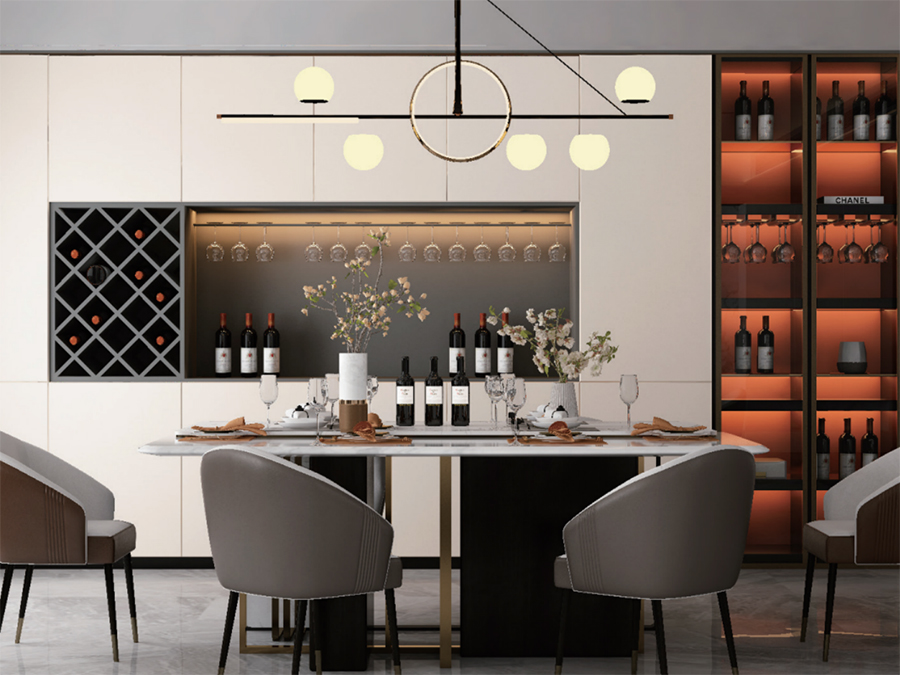
Choose MDF if you want strength, durability, and a smooth finish for painting or laminating. It’s ideal for cabinets, wardrobes, and decorative furniture.
Choose Particle Board if you’re working on a budget project or need lightweight panels for temporary furniture or low-stress applications.
Final Thoughts
MDF and particle board may belong to the same family of engineered wood products, but they are not the same. MDF is denser, stronger, and better for long-lasting furniture, while particle board is more affordable and lightweight but less durable. Your choice should depend on budget, purpose, and desired finish.







 Launch your project from a free price list tailored to your needs.