


 English
 русский
Overview of Melamine-Faced Panels
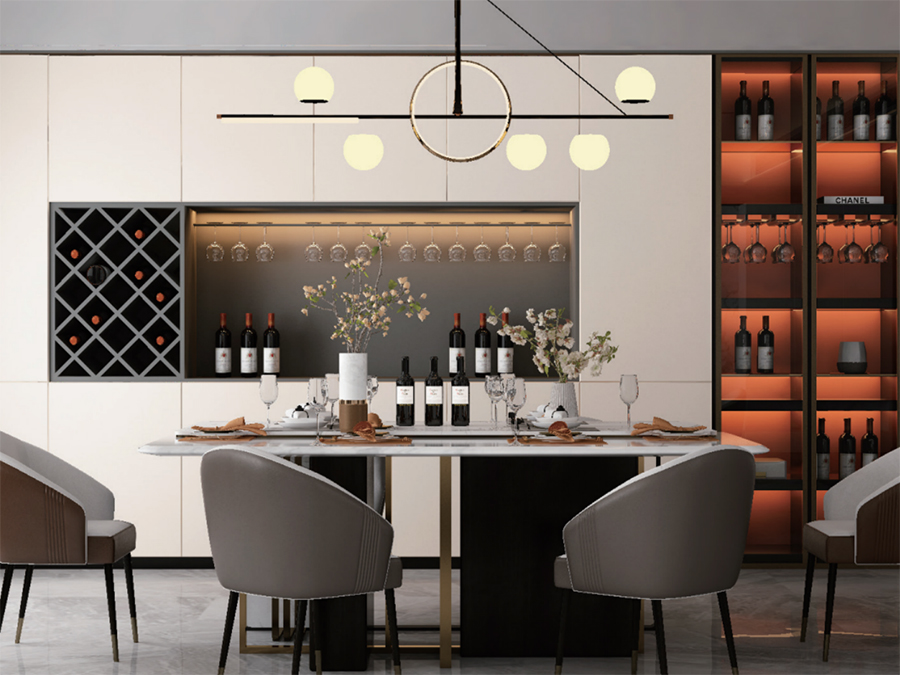
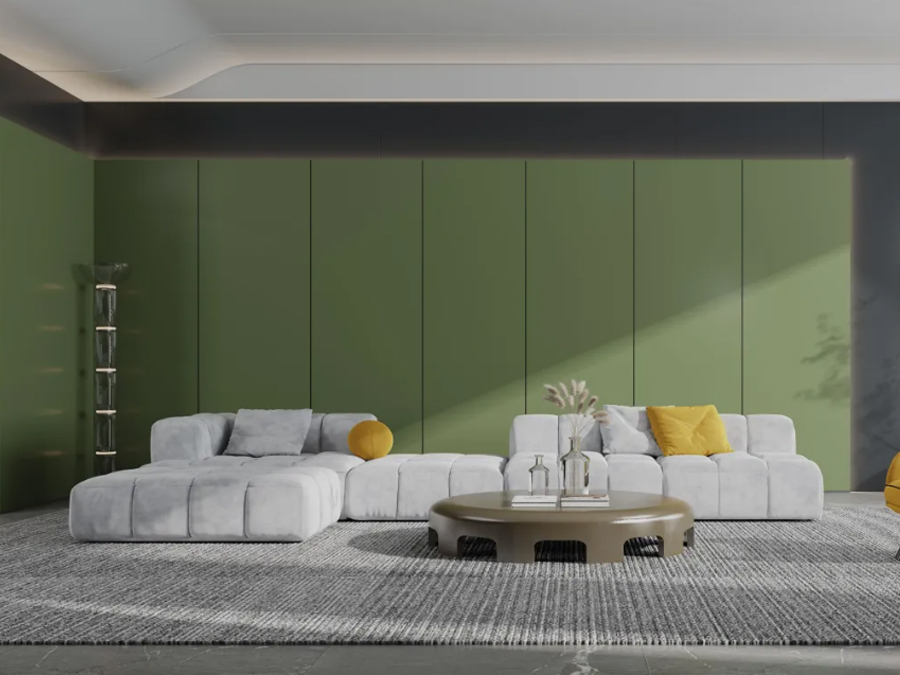
Melamine-faced panels are widely used in furniture manufacturing, interior design, and construction. They are made by applying a layer of melamine resin to a particleboard, MDF, or plywood substrate, offering a durable, attractive, and cost-effective surface. These panels come in various designs, finishes, and colors, making them versatile for many applications such as cabinets, shelving, and countertops.
Key Materials Used in Production
The primary materials required for melamine-faced panels include:
- Particleboard, MDF, or plywood – These substrates provide the base material for the panels.
- Melamine resin – The key chemical compound that is used to impregnate paper and create the decorative surface.
- Decorative paper – This is typically printed with patterns or solid colors and is impregnated with melamine resin for durability.
Melamine-Faced Panel Production Process
1. Preparation of Substrate
The production process begins with selecting the substrate material, such as particleboard or MDF. These substrates are chosen for their strength, smoothness, and ease of processing. The boards are first cut to the required dimensions, and any necessary surface treatment is applied to ensure optimal adhesion of the melamine paper.
2. Impregnation of Decorative Paper
The decorative paper, often produced in large rolls, is soaked with a melamine resin solution. This impregnation process ensures that the paper becomes durable and resistant to wear, heat, and moisture. Once the paper has been saturated with resin, it is dried to remove excess moisture.
3. Lamination Process
The dried melamine-impregnated paper is then carefully applied to the surface of the prepared substrate using heat and pressure. This lamination process bonds the paper to the substrate, creating a strong, permanent layer. The pressure ensures that the paper conforms to the surface, avoiding bubbles or wrinkles.
4. Curing and Cooling
After the lamination, the panels are subjected to a curing process. This involves heating the panels in a press to ensure that the melamine resin fully cures, hardening the surface and enhancing its durability. Once the curing process is complete, the panels are allowed to cool down, solidifying the bond between the paper and the substrate.
5. Cutting and Finishing
After the panels have cooled, they are cut to the final sizes and edges are finished. This might include applying edge banding or additional treatments to enhance the panel’s appearance and functionality. The panels are then inspected for quality assurance to ensure they meet industry standards.
Advantages of Melamine-Faced Panels
Melamine-faced panels offer several key benefits, including:
- Durability: The melamine surface is resistant to scratches, stains, and moisture, making it ideal for high-traffic areas.
- Cost-effectiveness: Compared to solid wood or veneer, melamine-faced panels are more affordable and offer a similar aesthetic appeal.
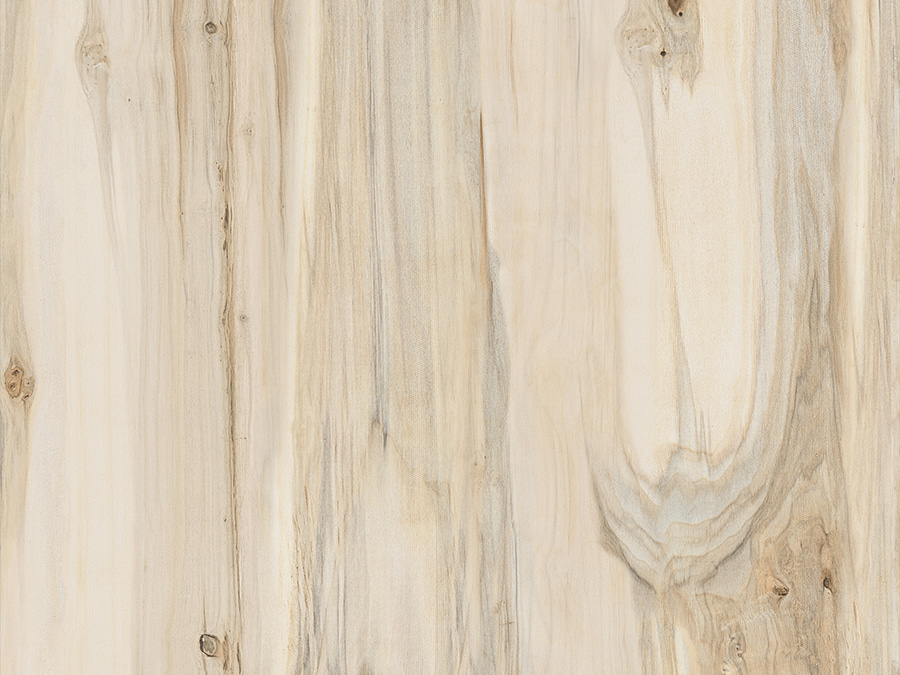
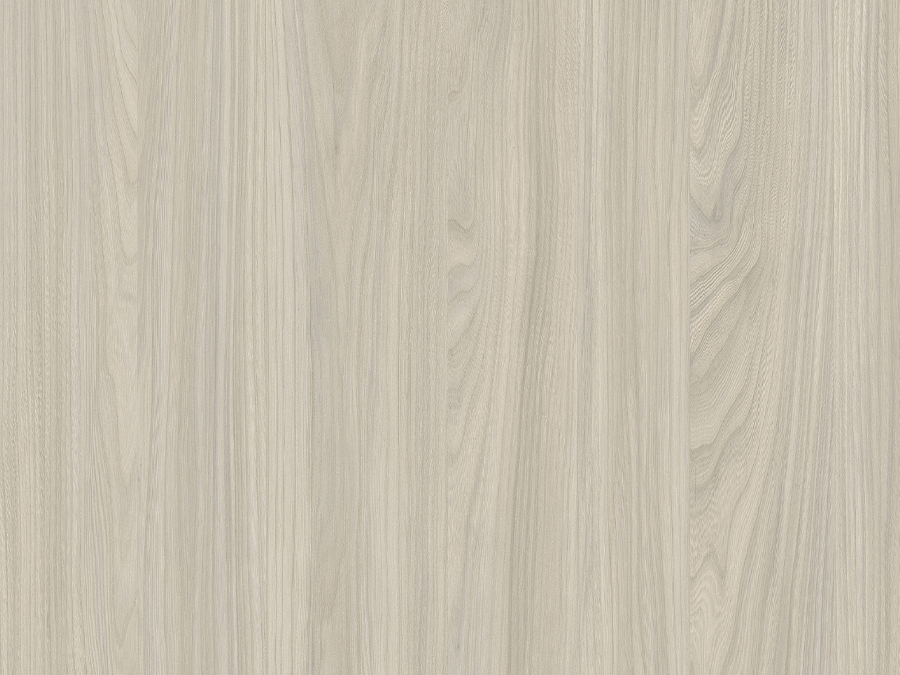
- Variety of designs: These panels are available in a wide range of colors, textures, and finishes, providing flexibility in design.
- Environmental benefits: Many melamine-faced panels are made from recycled or sustainably sourced wood products, contributing to more eco-friendly manufacturing practices.
Challenges in Melamine-Faced Panel Production
While melamine-faced panels offer numerous benefits, there are challenges in their production, including:
- Quality control: Ensuring consistent quality across all panels can be difficult, as variations in resin application and lamination pressures can affect the final product.
- Environmental concerns: While many melamine products are made with recycled materials, the chemical processes involved in melamine production can have environmental impacts if not managed properly.
- Surface damage: Although durable, the surface can be scratched or damaged if exposed to harsh chemicals or sharp objects.
Conclusion
Melamine-faced panels are an essential material in modern construction and furniture making. Understanding the production process, from substrate preparation to curing, ensures high-quality results. With their durability, versatility, and cost-effectiveness, these panels continue to be a popular choice for a variety of applications. However, managing the production challenges is key to maximizing the benefits of this material in long-term use.











 Launch your project from a free price list tailored to your needs.