


 English
 русский
What Wood Grain Melamine Impregnated Paper Is (and Where It Fits)
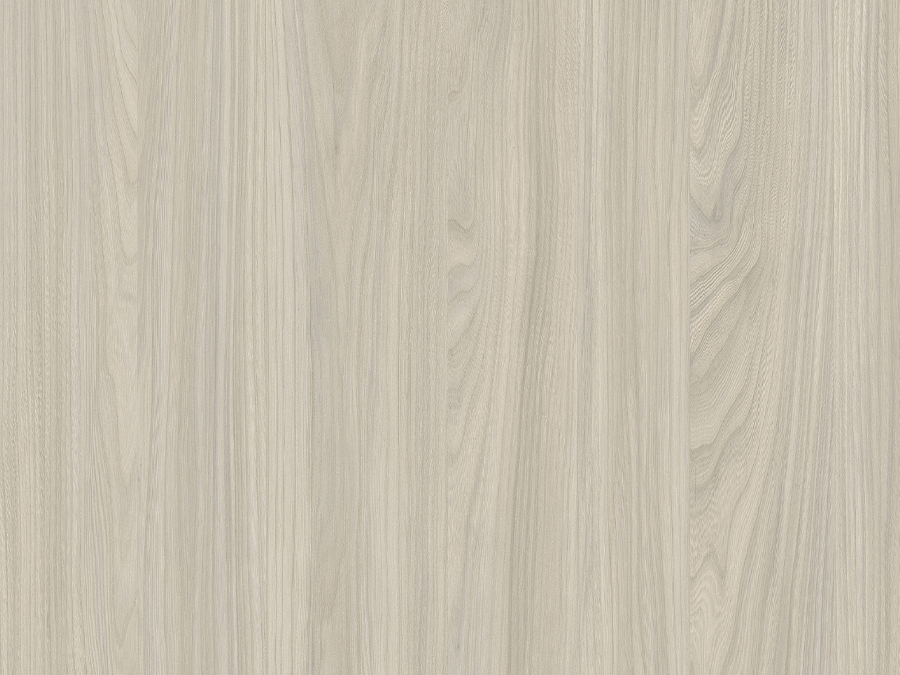
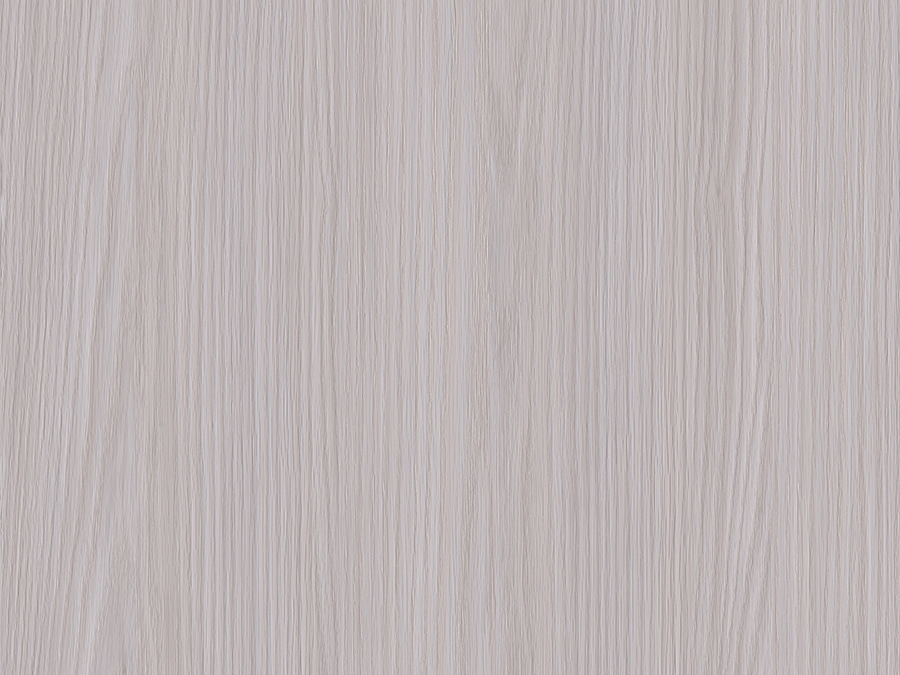
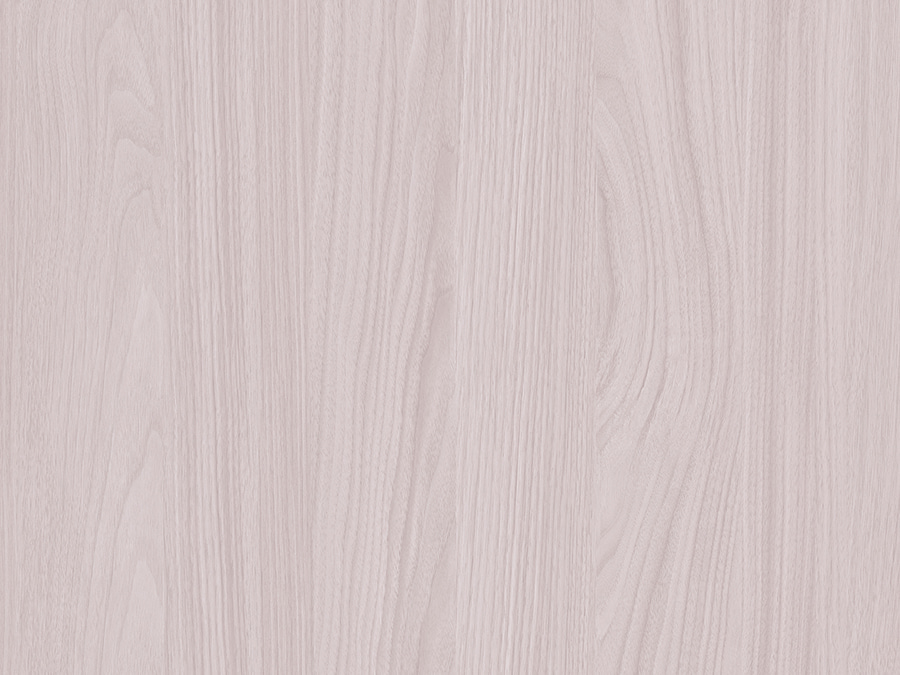
Wood grain melamine impregnated paper is a decorative paper that has been saturated with melamine-formaldehyde resin and pre-cured (B-staged) so it can be hot-pressed onto wood-based panels such as MDF, particleboard, or plywood. Under heat and pressure, the resin flows and cures into a thin, hard, cleanable surface that carries a printed wood décor.
In production terms, it is the “décor layer” that enables repeatable wood aesthetics at scale—consistent color, controlled repeat, and compatibility with short-cycle press lines. If your goal is a natural wood look with predictable throughput, wood grain melamine impregnated paper is typically evaluated alongside veneer and PVC as a surface-finishing option, with the added benefit of press-driven consistency and simplified maintenance.
A practical advantage for many buyers is cost-to-appearance: compared to real wood veneer, the décor can deliver a similar visual effect while reducing sheet cost and improving lot-to-lot uniformity. When sustainability targets are involved, the paper-and-resin surface can also reduce reliance on scarce wood species while keeping the woodgrain design language in the final product.
Where Wood Grain Melamine Impregnated Paper Performs Best
The same woodgrain design can behave very differently depending on whether it is used on vertical panels, horizontal work surfaces, or high-wear flooring. The correct approach is to specify by use-case stress (abrasion, cleaning, heat exposure, impact) rather than selecting décor by appearance alone.
| Application | Common Substrate | Primary Requirement | Practical Notes |
|---|---|---|---|
| Cabinet carcasses, wardrobes | Particleboard / MDF | Stable color, press yield | Opacity and batch continuity reduce rework on large sets. |
| Shelves, desktops, retail fixtures | Particleboard / MDF | Abrasion & scratch resistance | Specify higher-wear performance; verify results with finished-panel testing. |
| Door fronts, visible panels | MDF / plywood | Realistic texture, low visual defects | Texture registration and clean press conditions matter as much as décor design. |
| Laminate flooring surfaces | HDF | High abrasion resistance | Often uses an overlay layer with mineral particles for wear-through protection. |
If you are sourcing multiple wood species looks for a coordinated collection, it is typically more efficient to standardize the press “recipe family” (substrate moisture window, plate set, baseline cycle) and then qualify each décor under that controlled window, rather than tuning press settings for every pattern.
Key Specifications That Control Press Yield and Surface Quality
For wood grain melamine impregnated paper, the most expensive problems are usually not “wrong wood color,” but unstable pressing: blisters, haze, poor surface closure, or edge chipping during CNC. Those outcomes are driven by measurable inputs you can control through purchasing specifications and incoming inspection.
As a practical reference used in many furniture-grade programs, decorative base papers commonly run at 70–120 gsm, and resin solids add-on often targets roughly 45–60% (decor-dependent) with volatiles managed to prevent blistering while still allowing flow during press.
| Specification | What It Controls | Why It Matters for Woodgrain | What to Ask Your Supplier |
|---|---|---|---|
| Basis weight (gsm) | Opacity, handling, resin demand | Low opacity can show substrate repair marks under lighter oak/maple tones. | Lot-by-lot gsm target & tolerance; incoming check method. |
| Resin solids add-on | Flow, cure, surface closure | Insufficient flow can “silver” dark walnut pores; excess can dull fine grain detail. | CoA fields, storage life, and how the target varies by finish (matte/gloss/emboss). |
| Volatiles & moisture | Blister risk, texture replication | Woodgrain emboss highlights micro-bubbles and haze more than solid colors. | Recommended conditioning, humidity sensitivity, and press-proven window. |
| Color/print tolerance | Batch continuity | Woodgrain sets often require tight matching across doors, panels, and edging. | Master standard approval process and lot sign-off under defined lighting. |
| Finish compatibility | Gloss, matte, synchronized emboss | Mismatched resin flow vs plate texture can blur pores or exaggerate defects. | Which plates the décor is validated on; examples of finished panel results. |
If you are comparing suppliers, you will typically learn more from a complete technical packet (CoA fields + storage guidance + press baseline) than from a visual swatch alone. This is one reason many buyers start with a defined melamine impregnated paper specification template and then qualify woodgrain decors against it.
Pressing and Conditioning: A Practical Reference Window for Woodgrain
Baseline press variables to control first
Exact parameters depend on your equipment, board supplier, and finish plate; however, many short-cycle furniture lines start trials around a proven operating window and then optimize for defect rate and gloss/texture target. A commonly used baseline is:
- Plate temperature: 160–180°C (enough to cure efficiently without scorching)
- Pressure: 20–35 bar (supports surface closure and texture transfer)
- Cycle time: 15–30 seconds for many short-cycle presses (decor- and board-dependent)
A structured trial plan to stabilize a new wood grain décor
To avoid “chasing defects” with undocumented tweaks, qualify new woodgrain papers with a simple, repeatable trial matrix and record the results against lot numbers.
- Lock substrate variables first: board type, thickness, sanding spec, and moisture window.
- Run a temperature-time matrix (for example, two temperatures and three cycle times) while holding pressure constant.
- Check surface defects immediately, then verify cure stability after 24 hours to catch post-cure issues.
- Only then tune pressure for pore depth, gloss control, and synchronized texture clarity.
Conditioning is frequently the hidden variable. Seasonal humidity swings can move volatile behavior and increase blisters, haze, or edge issues even when press settings remain unchanged. From a supplier perspective, clear storage and FIFO practices are part of quality assurance, not “warehouse preference.”
Quality Control That Predicts Real-World Furniture Performance
For wood grain melamine impregnated paper, quality control should connect upstream variation (paper/resin/conditioning) to downstream outcomes (machining, edge banding, stain resistance). The goal is to detect drift early—before it becomes a scrap event.
Incoming and in-process controls that pay back quickly
- Visual inspection under standardized lighting against an approved master sample (critical for batch continuity in woodgrains).
- Spot checks for sheet uniformity and basis weight to reduce patchy hide on light oak/maple decors.
- Press plate cleanliness and release behavior monitoring to minimize gloss haze and sticking.
- Traceability discipline: record lot number, press recipe, board moisture, and plate ID for every trial and production batch.
Common defects on wood grain surfaces and prevention logic
Most defects are a mismatch between (a) resin/volatiles, (b) substrate condition, and (c) press setpoints. The following root-cause framing is typically more effective than repeated “small tweaks.”
- Blisters or bubbles: often linked to excessive volatiles or board moisture; improve conditioning and validate the volatile window before changing décor.
- Silvering/haze (especially on dark walnut): improve cleanliness and adjust temperature/time for resin flow; dark pores make micro-air more visible.
- Edge chipping during CNC: can indicate over-cure brittleness, weak adhesion, or poor substrate edge integrity; align cure with tooling sharpness and feed settings.
- Texture/print mis-registration: tighten plate alignment and repeat control; synchronized pore programs require disciplined set-up and consistent press loading.
Design Realism: Matching Wood Grain Color, Texture, and Batch Continuity
Woodgrain surfaces are judged by realism: pore depth, grain direction, and whether panels from different batches look like one coordinated “family.” Achieving that outcome requires more than a good print—it requires alignment between décor repeat, press plate texture, and stable process control.
When synchronized pore texture is required, the décor repeat and plate geometry must be matched so the visible grain aligns with the tactile pores. If your product mix includes multiple wood looks (oak, walnut, elm, maple, cherry, pine), use an approval workflow that defines the viewing conditions and acceptance criteria before mass production.
For example, if you are building a premium dark program, walnut decors can be sensitive to haze and small gloss variation. Many buyers therefore qualify darker woodgrains with stricter cleanliness, more frequent press plate checks, and tighter batch continuity controls. If you are evaluating a specific walnut look, a targeted sample set such as walnut melamine impregnated paper can help you confirm how the décor behaves on your substrate and tooling before committing to full-volume purchasing.
Light stability also matters in real installations (showrooms, sunlit interiors). If the project includes large wall runs or furniture fronts near windows, include lightfastness requirements in the technical brief and validate them on finished panels, not only on paper samples.
A Buyer’s Checklist (and What to Expect From a Capable Supplier)
A professional sourcing process for wood grain melamine impregnated paper typically reduces total cost by reducing variance—scrap, rework, and line downtime—rather than by chasing the lowest unit price. The checklist below is designed for practical purchasing and project execution.
- Define the application class (vertical, horizontal, high-wear, gloss, or synchronized texture) and the substrate family you will press on.
- Approve a master standard for color/texture and document viewing conditions for lot acceptance.
- Request a technical packet that includes CoA fields relevant to pressing (gsm, resin add-on, volatiles, traceability) plus storage and shelf-life guidance.
- Run a controlled press trial and lock a recipe tied to décor + substrate; retain reference panels for future batch matching.
- Align on claim handling (retention samples, decision timelines) to prevent disputes from becoming long production interruptions.
From a manufacturer perspective, the capabilities that most directly support buyers are integrated printing and impregnation control, stable batch management, and the ability to tune programs to press realities (matte, gloss, deep pores, synchronized texture). When these are in place, woodgrain surfaces can deliver consistent décor performance across cabinet sets, wall panels, and furniture lines while keeping cleaning and maintenance simple.
If you want to accelerate qualification, prepare three items before sampling: your substrate spec (including moisture window), your target finish (plate type and gloss level), and the intended end-use (vertical vs high-wear). With that information, we can typically recommend an appropriate décor program and provide press-trial guidance aligned to your equipment.








 Launch your project from a free price list tailored to your needs.