


 English
 русский
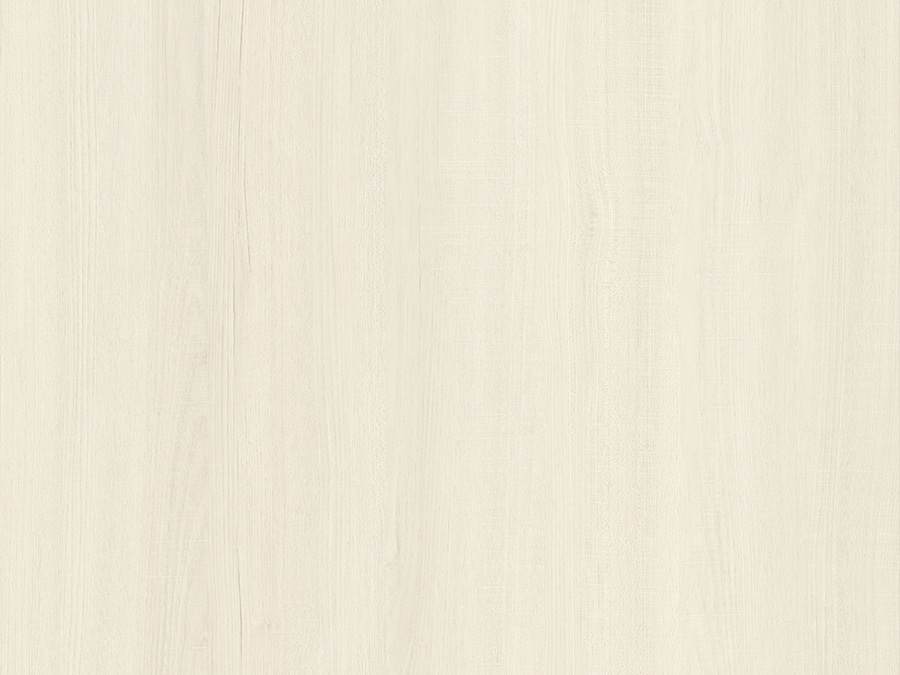
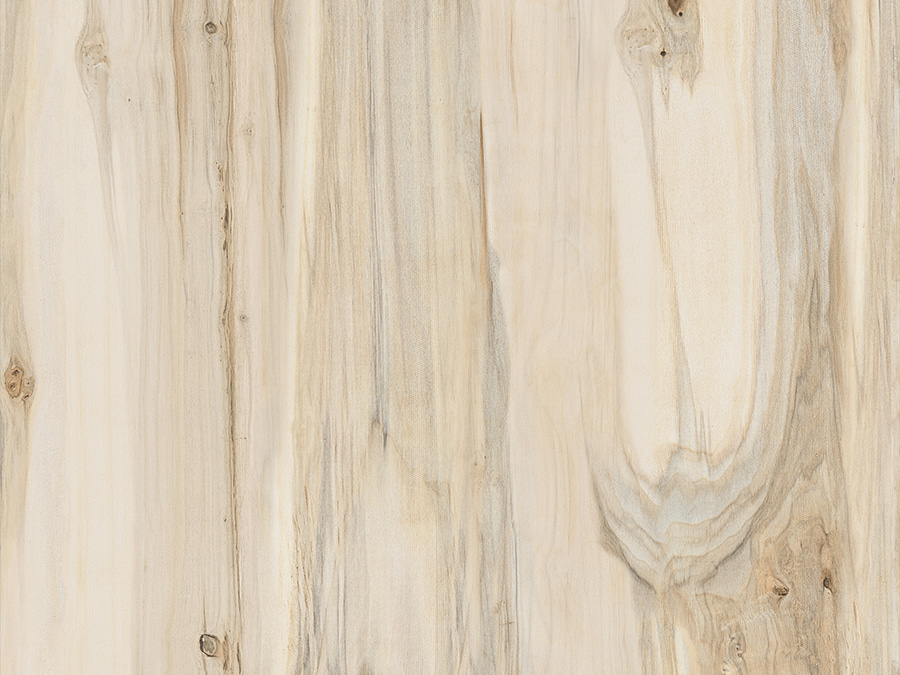
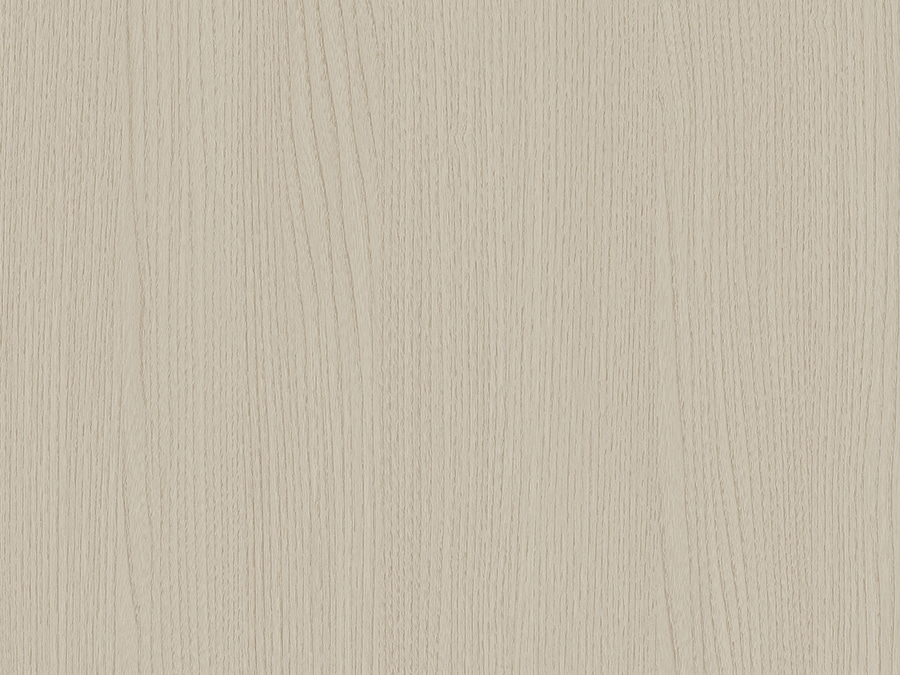
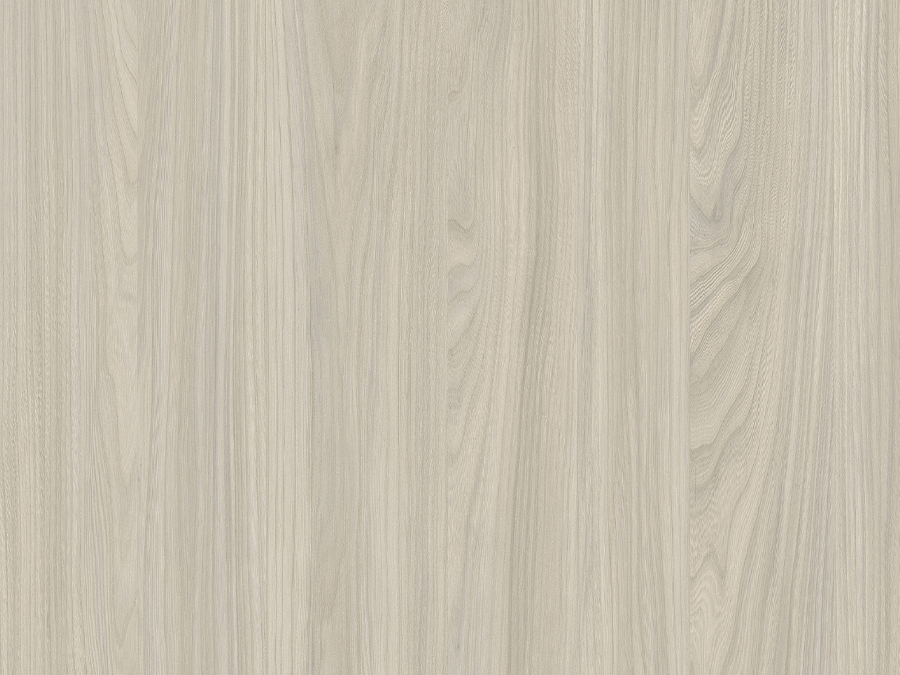
When people think of environmentally responsible design, they often imagine reclaimed wood, recycled materials, or energy-efficient lighting. Yet one of the most practical and sustainable solutions for modern interiors comes in the form of elm decorative paper. By replicating the natural grain and texture of elm wood, this material not only reduces demand for hardwood but also opens the door to a smarter use of resources across the furniture and construction industries.
Traditional elm wood has long been admired for its light color and refined texture, making it a favorite for furniture makers and interior designers. However, harvesting natural elm poses challenges. The growth cycle of hardwoods is slow, deforestation pressures are increasing, and global awareness of environmental impact has changed buyer preferences. Elm decorative paper addresses these concerns directly, offering the look of elm wood without the need to cut down mature trees. This makes it a responsible and sustainable choice that resonates with both manufacturers and eco-conscious consumers.
The sustainability advantage of elm decorative paper lies in its resource efficiency. Producing decorative paper requires far fewer raw materials than milling and processing solid wood or even wood veneers. The printing and impregnation technologies ensure that the beauty of elm’s grain is authentically reproduced, while raw wood consumption is drastically minimized. The result is a product that captures the warmth of natural wood in a way that is both environmentally efficient and cost-effective.
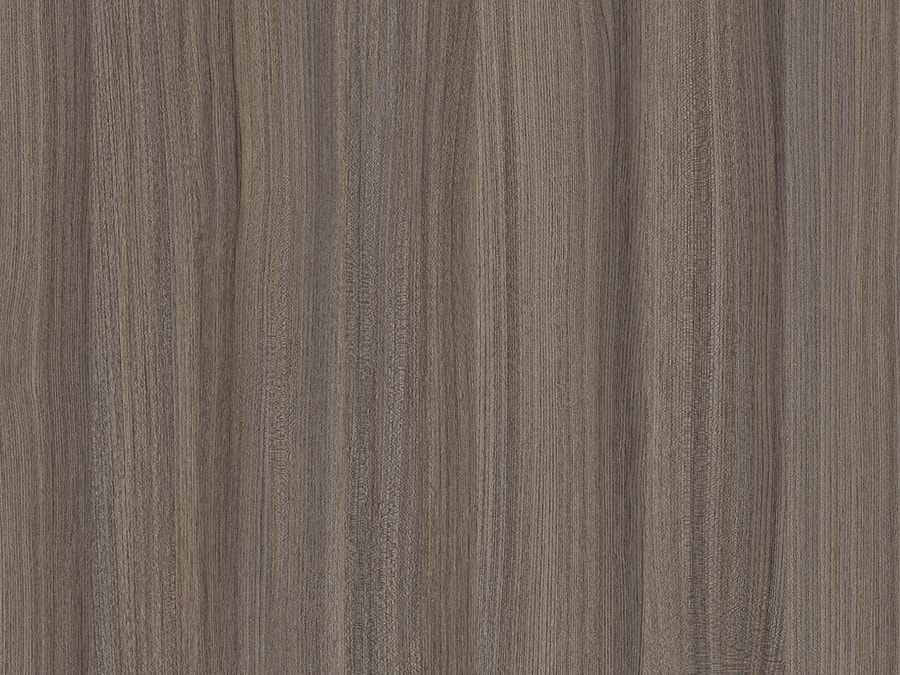
Another important factor is waste reduction. When working with natural elm logs, a significant portion of the wood cannot be used due to knots, defects, or irregularities. With elm decorative paper, every sheet is uniform, consistent, and ready to apply. This consistency not only minimizes waste during manufacturing but also ensures predictable results for large-scale projects, where uniformity of color and texture is critical.
Durability also plays a role in sustainability. Products surfaced with elm decorative paper are designed to last longer thanks to melamine impregnation, which adds resistance to scratches, fading, and moisture. Longer product life means fewer replacements, reducing the overall consumption of materials and energy used in production. In this way, elm decorative paper is not only sustainable in terms of sourcing but also in terms of extending the lifecycle of finished goods.
The environmental advantages extend to transportation as well. Decorative paper is lightweight compared to wood panels or veneers, making it easier to ship in bulk and reducing the carbon footprint of logistics. This is particularly important for exporters and global suppliers who serve markets with high environmental expectations. For clients who value both performance and sustainability, elm decorative paper provides an answer that balances ecological responsibility with practicality.
From an international perspective, sustainability certifications and compliance with environmental standards are becoming critical for manufacturers. Many regions now require proof of eco-friendly sourcing or prefer suppliers who can demonstrate reduced reliance on natural hardwoods. Elm decorative paper positions itself well within this framework, enabling businesses to meet global market expectations while continuing to deliver attractive and high-quality designs.
Design flexibility further strengthens the case for elm decorative paper as an eco-friendly option. Unlike natural elm, which is limited by natural grain variation, decorative papers can be tailored with different shades, textures, or surface treatments without compromising environmental goals. Whether for minimalist interiors or traditional decorative styles, this adaptability allows designers and manufacturers to offer a wide range of products while still supporting sustainability objectives.
For manufacturers like us, the goal is to deliver not just beautiful materials but also responsible solutions. Elm decorative paper allows us to provide clients with products that meet modern design standards, enhance durability, and support environmental responsibility all at once. By choosing decorative papers, buyers aren’t only investing in aesthetics—they’re also contributing to a more sustainable future in design and construction.
In today’s market, where sustainability is not just a preference but an expectation, elm decorative paper stands out as a forward-thinking alternative. It proves that beauty and responsibility can go hand in hand, and that ecological awareness can be seamlessly integrated into the everyday surfaces we use. For businesses and designers looking to combine style, performance, and environmental care, elm decorative paper is more than a material—it’s a smart choice for a changing world.
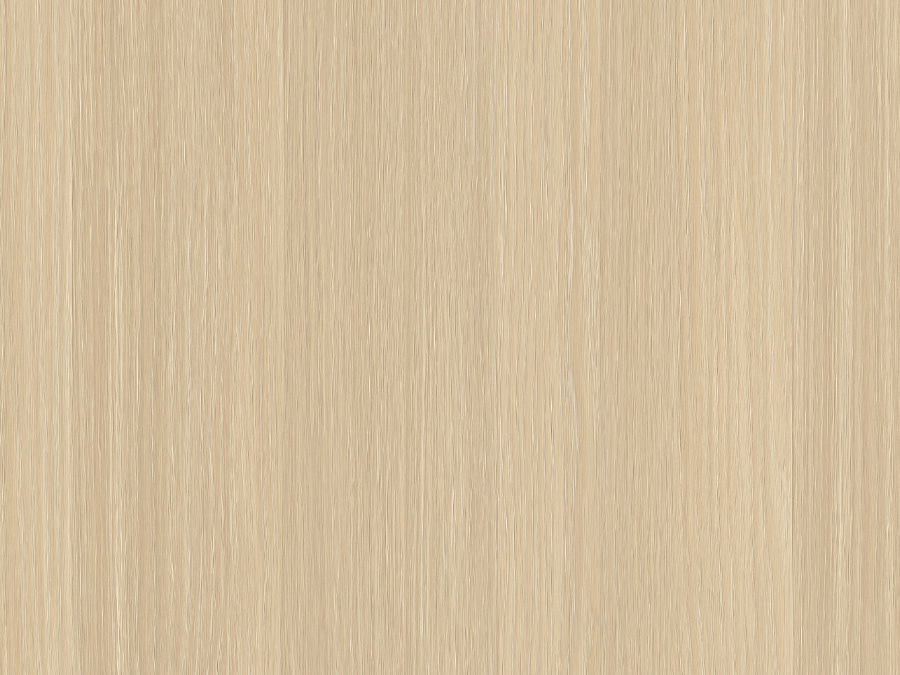


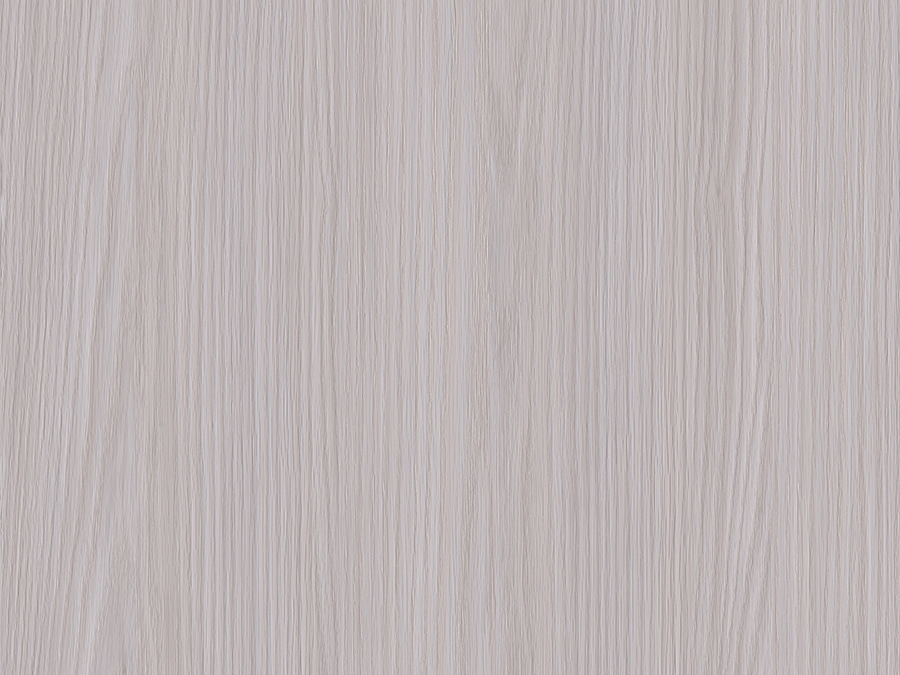
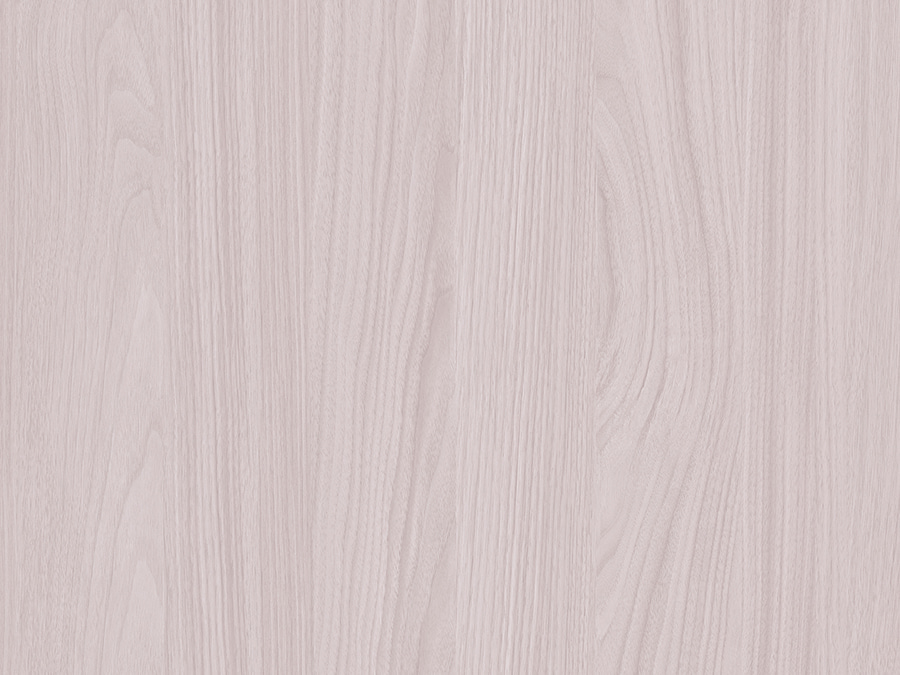



 Launch your project from a free price list tailored to your needs.