


 English
 русский
What is Melamine Impregnated Paper (MIP)?
Melamine Impregnated Paper (MIP) is decorative or kraft paper saturated with thermosetting melamine-formaldehyde resin and dried to create a stable sheet that can be fused onto substrates (MDF, particleboard, plywood) under heat and pressure. Unlike plain decorative paper, MIP contains cured resin within the paper fibers so it acts as both the decorative face and a functional wear surface after lamination.
Manufacturing and Key Technical Parameters
Production of MIP involves three core stages: selection of base paper (typically 25–120 g/m² for decorative faces), impregnation with melamine-formaldehyde resin at a controlled solids content, and drying/curing to an intermediate B-stage. Manufacturers control resin solids, catalysts, and oven profiles to achieve the required tack, flexibility and shelf-life for downstream lamination.
Typical specification ranges and what they mean
Common specification variables to check on a datasheet: resin solids (usually 40–70% by weight), paper grammage (g/m²), post-impregnation weight (g/m²), glass transition temperature (Tg), and recommended press temperature/time. These values determine handling, press windows, and the final surface performance.
Physical and Performance Properties
MIP provides a hard, crosslinked surface after curing during lamination. Typical performance attributes include abrasion resistance, scratch and chemical resistance, dimensional stability, and colorfastness. Suppliers frequently rate abrasion using Taber cycles, and chemical resistance using standardized solvent rub tests.
- Abrasion resistance — often specified as Taber cycles to H18/H22 abrasion wheel failure.
- Scratch resistance — measured by scratch load or pencil hardness equivalents.
- Chemical resistance — common tests include household chemicals, alcohol and solvents.
- Lightfastness — ISO or ASTM accelerated weathering ratings for color stability.
Lamination & Pressing: Practical Guidelines
Successful lamination transforms MIP into a durable decorative surface. Two typical methods are direct hot-press (single-stage) and pre-press followed by finishing. Parameters vary by substrate and press type, but the following practical ranges are a good starting point; always validate with supplier test panels.
- Press temperature: 140–180°C (284–356°F) depending on resin formulation.
- Press time: 30–90 seconds for continuous presses; up to several minutes for platen presses, adjusted per panel thickness.
- Pressure: 2–6 bar (mechanical) or 0.2–0.6 MPa; ensure uniform distribution to avoid voids.
- Use of adhesives: for some substrates a thin layer of PVAc or reactive adhesive improves edge bonding; for direct thermally activated lamination, adhesive may be unnecessary if MIP and substrate are compatible.
Surface Finishes and Post-Processing
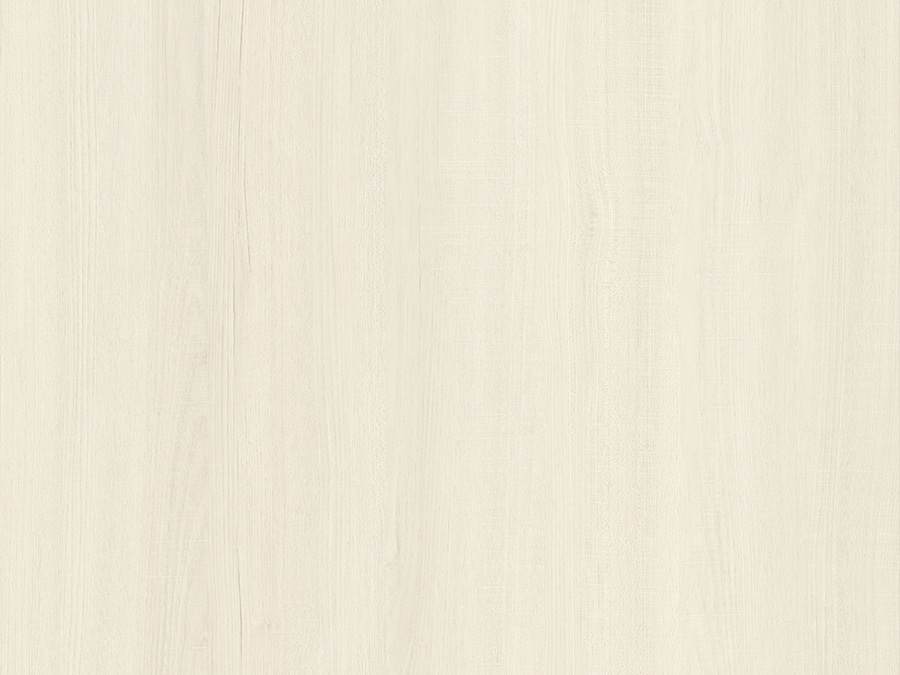
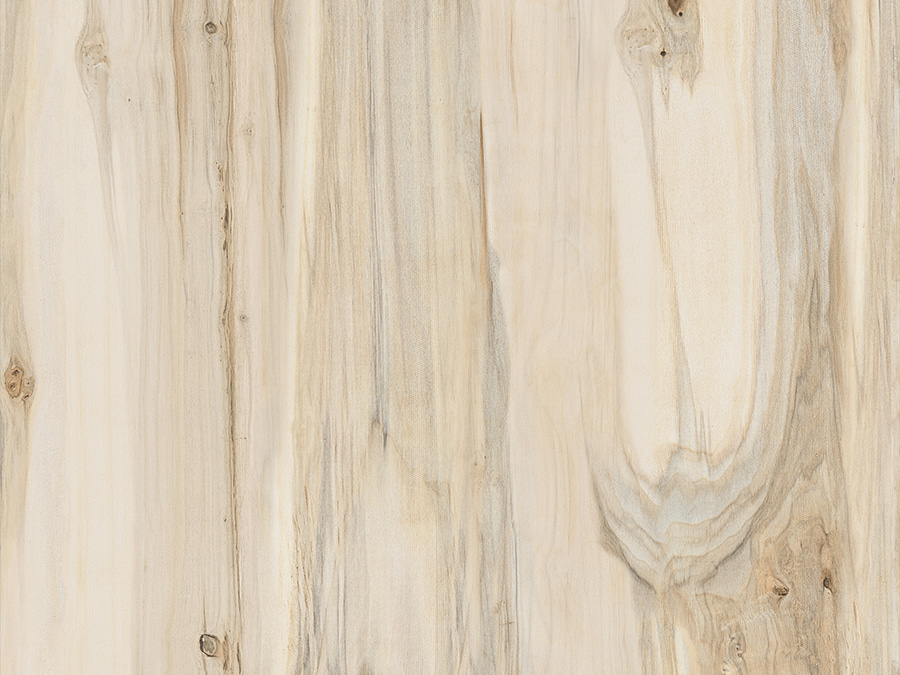
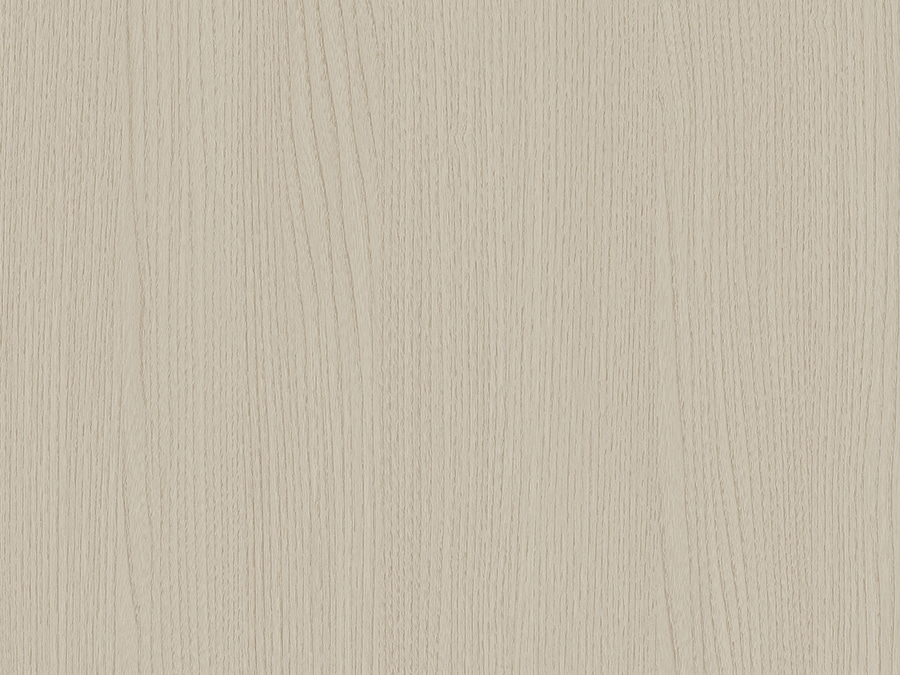
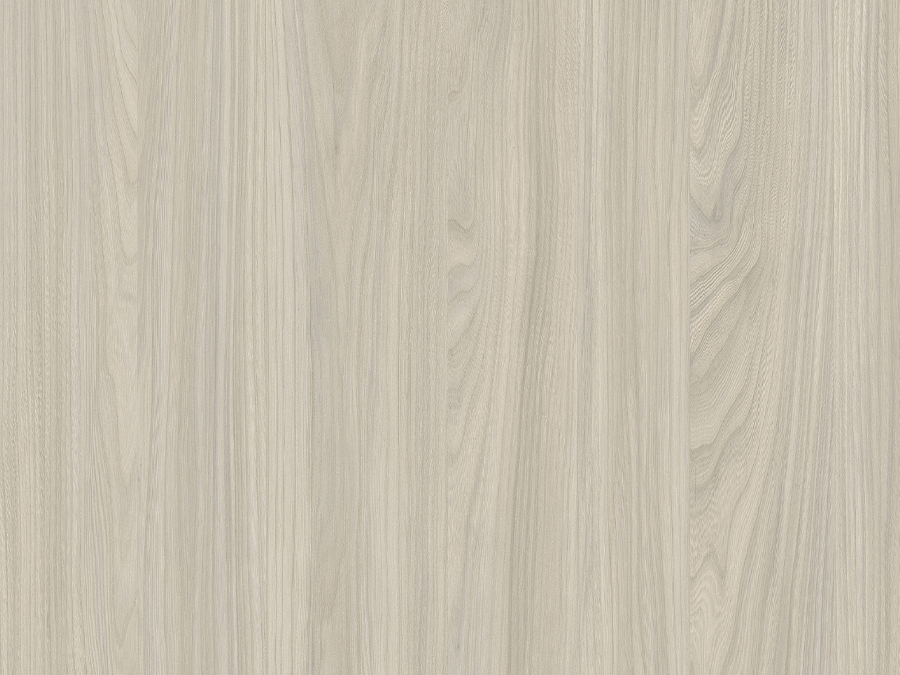
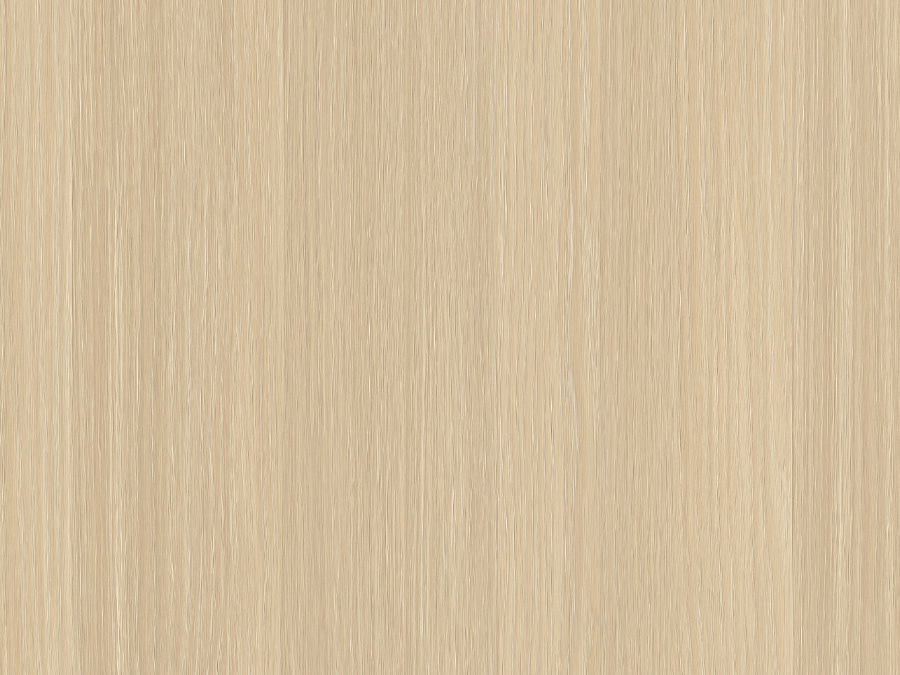
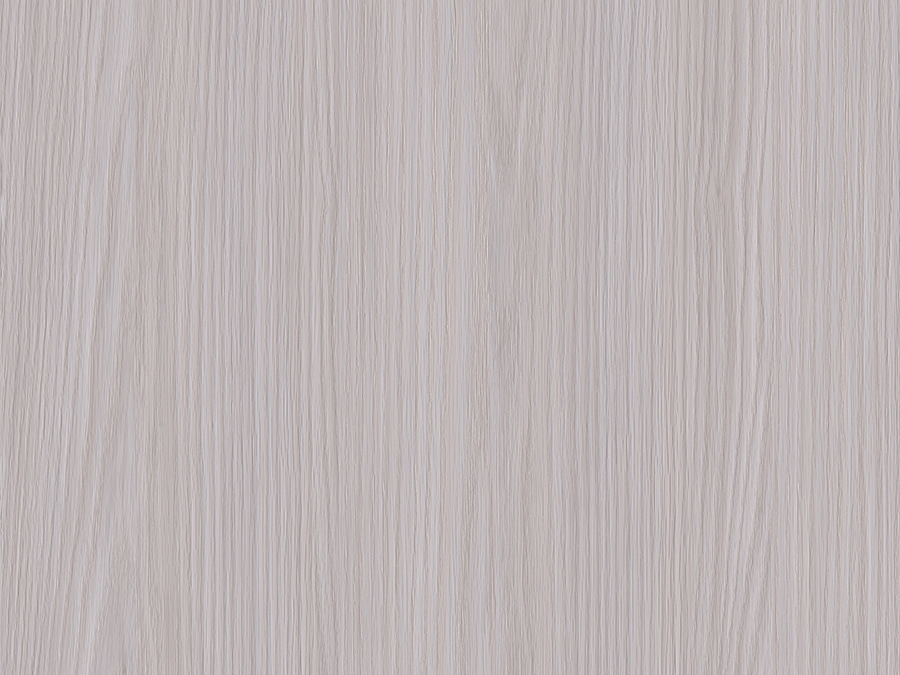
Melamine impregnated paper supports a variety of surface effects: matt, silk, gloss, embossed (e.g., wood grain), and micro-textures. After lamination, post-processing may include UV curing (for additional scratch resistance), light sanding for specialty coatings, and edge-banding with matching ABS or PVC banding. Choose embossing depth and pattern direction to match the visual scale of your furniture piece.
Quality Control and Standard Tests
Implement a test matrix for incoming MIP rolls and finished panels. Key tests that give practical, actionable data include:
- Visual defect inspection (pinholes, streaks, color variation).
- Peel strength or edge adhesion tests after lamination (T-peel or 90° peel).
- Taber abrasion and scratch testing to validate wear specs.
- Chemical spot tests for household cleaners and solvents.
Common Applications and Practical Use Cases
MIP is widely used where cost-effective, durable decorative surfaces are required. Typical applications:
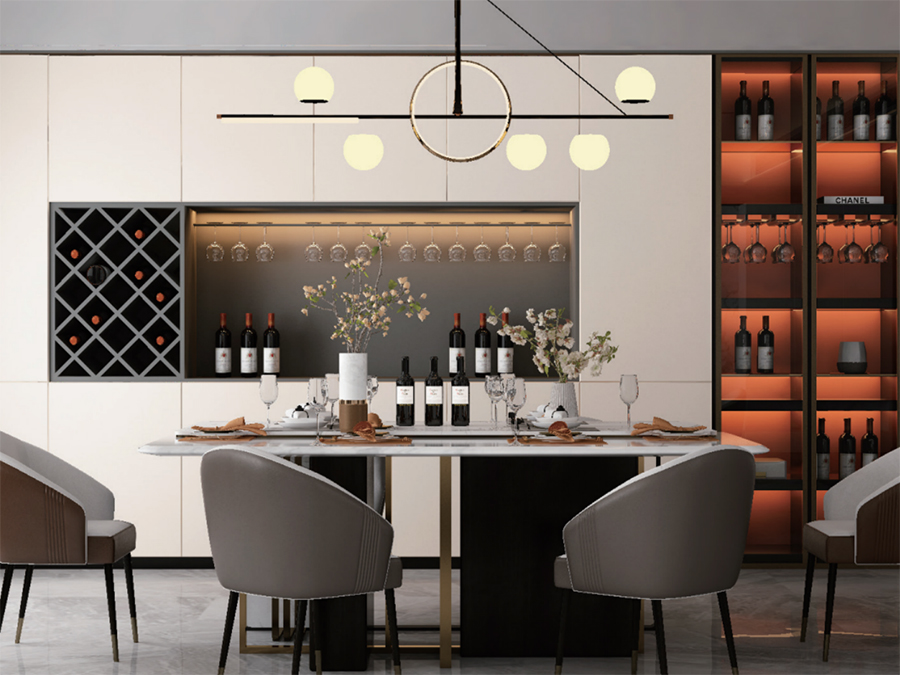
- Furniture faces (wardrobes, cabinets, shelving) — offers repeatable patterns and high wear resistance.
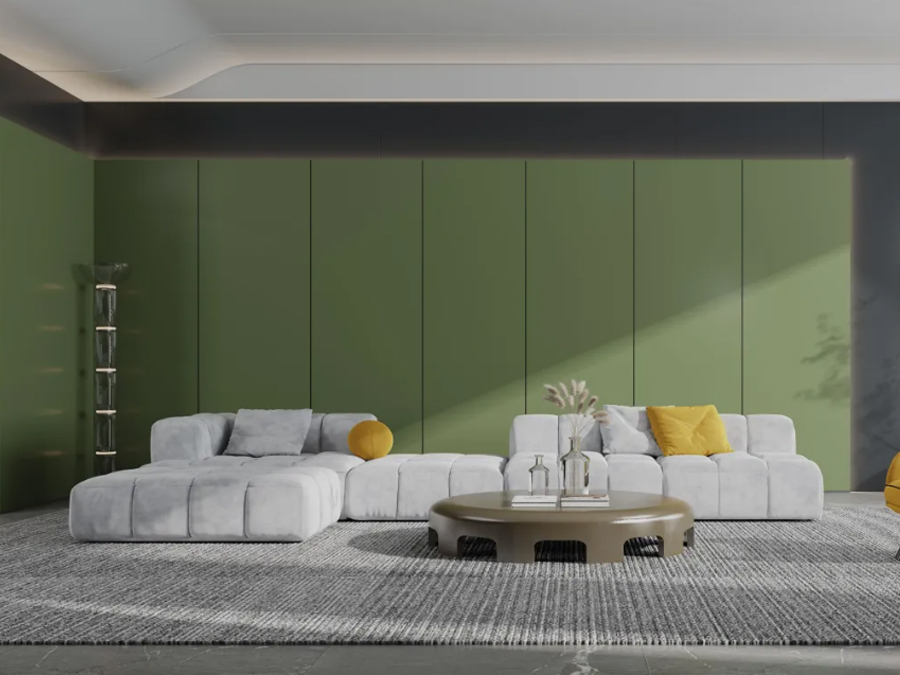
- Interior doors and panels — when combined with thicker substrates provides stable, paint-like finishes.
- Countertops and retail fixtures (low to medium wear) — use higher-abrasion grades and consider protective coatings for heavy wear zones.
- Laminate flooring overlays (in some systems) — when coupled with a high-pressure overlay or additional protective film.
Troubleshooting: Causes and Fixes for Common Issues
Problems during lamination are usually process- or material-related. Below are frequent failure modes and practical corrective steps.
- Delamination — often caused by incorrect press temperature, insufficient pressure, or moisture in substrate. Fix by drying substrate, increasing temperature/pressure within supplier limits, testing adhesive primers.
- Bubbles or blisters — trapped air or volatiles; reduce press speed, pre-press to expel air, verify paper dryness and oven settings during impregnation.
- Color mismatch after curing — check batch-to-batch color control, allow for slight curing shift, and request spectral pass/fail criteria from your supplier.
Sustainability, VOCs and End-of-Life Considerations
Melamine resins are thermosetting and not easily remelted; panels using MIP are typically downcycled rather than recycled back into wood panel feedstock. To reduce environmental impact, specify low-emitting (low free formaldehyde) resins, work with suppliers that provide EPDs or indoor air quality certifications, and design for disassembly where possible to enable material separation.
Procurement & Specification Checklist
When sourcing MIP, request the following from suppliers to ensure suitability for your application:
- Complete technical datasheet: resin solids, Tg, recommended press window, grammage.
- Sample roll and validated test panel results (abrasion, scratch, chemical resistance).
- Color control tolerances and batch traceability for pattern matching.
- Environmental documentation: formaldehyde class, VOC data, EPD or equivalent.
Quick Comparison Table: MIP vs Decorative Paper vs HPL
| Type | Primary Use | Wear Resistance | Typical Cost |
| Melamine Impregnated Paper (MIP) | Direct lamination to panels, furniture faces | Medium — good for furniture and fixtures | Low–Medium |
| Decorative (unimpregnated) Paper | Overlay for impregnated processes or facing under coatings | Low — requires additional resin/coating | Low |
| High Pressure Laminate (HPL) | Countertops, heavy-wear surfaces | High — superior abrasion/impact resistance | High |
Final Practical Recommendations
For manufacturers and specifiers: run supplier trial panels under your exact press conditions before committing to large orders, include peel and abrasion tests in your incoming inspection, and match embossing scale to product size. When durability needs are high, consider HPL or apply a protective clear coating over MIP. For most furniture and interior fixtures, MIP is the cost-effective, high-value choice when selected and processed correctly.






 Launch your project from a free price list tailored to your needs.