


 English
 русский
When choosing wood grain decorative printing paper for furniture, wall panels, or cabinetry, one factor often overlooked by buyers is how well the color holds up over time. In many indoor applications—especially in bright or sunlit environments—exposure to UV light gradually causes printed surfaces to fade, yellow, or lose their original vibrancy. That’s why color stability and UV resistance aren’t just technical specs—they're central to the long-term aesthetic and functional value of decorative paper products.
The durability of wood grain decorative printing paper under UV exposure is influenced by several elements, beginning with ink formulation. High-quality inks, especially those made with lightfast pigments, resist fading more effectively than dye-based alternatives. The choice of pigments, ink layer thickness, and how well the ink bonds to the base paper all affect how long the printed wood pattern remains true to its original tone. For clients who prioritize a consistent appearance across product lines, these details matter far beyond the initial look.
Another often underestimated component is the coating used during production. Many top-grade wood grain printing papers apply protective coatings that include UV inhibitors, helping shield both the print and substrate. These coatings are typically water-based and optimized not only for environmental safety but also for enhanced surface resistance to discoloration. In some cases, a matte or semi-gloss finish can also impact how visible fading becomes over time, depending on how light reflects off the material.
Base paper selection also plays a part in long-term performance. A stable, high-opacity base reduces light penetration and provides a more even surface for printing, supporting greater ink adhesion and uniform coloration. Inconsistent base paper can lead to uneven fading or patchy discoloration, especially when subjected to daily use and indirect sunlight. In professional manufacturing environments, these quality variances are tested and minimized through strict batch controls and standardization processes.
Application context is another variable. Wood grain decorative paper used in residential interiors will face different aging challenges than products applied in high-traffic commercial environments. While interior uses reduce direct UV exposure compared to outdoor settings, ambient light from large windows or ceiling fixtures still has a cumulative effect. For offices, hospitality projects, or retail displays, specifying UV-resistant decorative paper helps reduce future maintenance or reinstallation costs, a benefit particularly valuable to B2B customers managing long-term procurement.
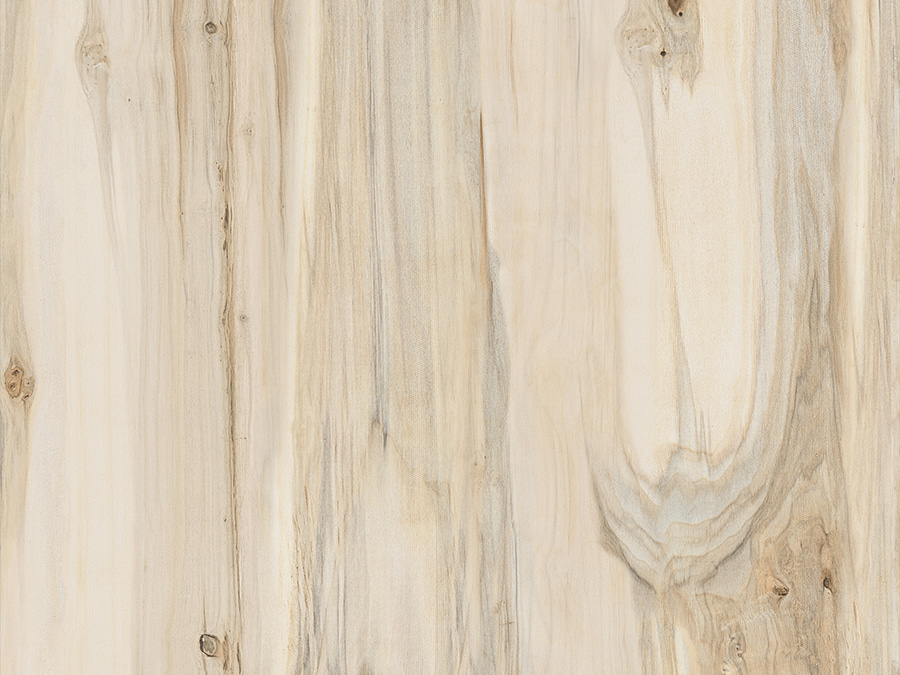
For manufacturers like us, these challenges are well understood and built into our production controls. We work closely with ink and coating suppliers to ensure our decorative paper delivers reliable performance over time, even in light-intensive spaces. Rigorous in-house testing, including accelerated aging simulations, helps us validate each batch for consistent UV resistance and color retention. This technical know-how enables our clients to feel confident not just in the appearance, but also in the reliability of the products they specify or resell.
When clients are sourcing wood grain decorative printing paper for large-scale projects, they often ask us how long the visual effect will last. The answer isn’t just about the paper—it’s about the whole system: printing process, material quality, application environment, and surface treatment. By understanding these interconnected factors, our customers make smarter, more cost-effective decisions, and ultimately, better-performing products.
Investing in wood grain decorative paper that resists UV damage and maintains color integrity isn’t just a quality decision—it’s a business decision. Whether you're a furniture maker, panel manufacturer, or interior fit-out specialist, choosing a product that holds up over time protects your brand reputation and ensures consistent customer satisfaction. And that’s where a trusted manufacturer can make all the difference.








 Launch your project from a free price list tailored to your needs.