


 English
 русский
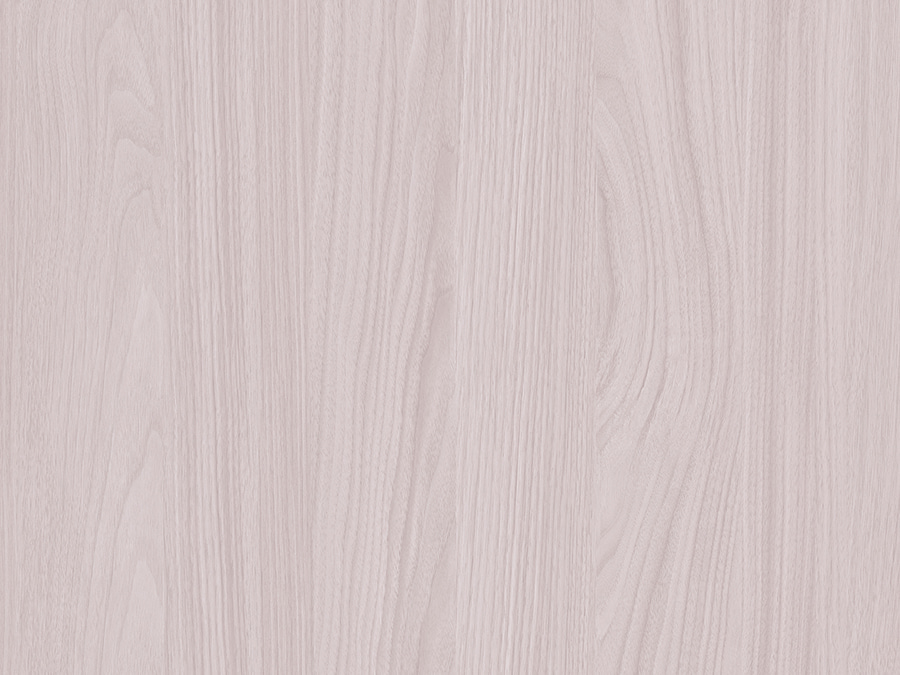
The journey of decorative paper has seen remarkable advancements, especially in replicating natural wood grains like walnut. Walnut printed decorative paper has transformed from simple, flat prints into richly textured, high-definition surfaces that closely mimic real walnut wood. Early decorative papers were limited by the printing technology of their time, often resulting in artificial or repetitive patterns that lacked depth. As consumer demand for authenticity grew, manufacturers began adopting more sophisticated printing and finishing methods to elevate the look and feel of walnut-patterned surfaces.
Digital printing played a crucial role in this evolution by enabling intricate details and color gradients that imitate the complex grain and shading found in genuine walnut wood. Unlike traditional rotary or flatbed printing, digital techniques allow precise control over every pixel, making it possible to reproduce subtle variations and natural imperfections. This increased realism significantly enhances the decorative paper's appeal for applications like furniture veneers, wall panels, and cabinetry, offering a high-end walnut appearance without the cost and maintenance of real wood.
Beyond printing, embossing technologies advanced to add a tactile dimension to walnut printed decorative paper. Embossing presses create raised grain textures that correspond to the printed patterns, lending a three-dimensional feel that visually and physically resembles real walnut surfaces. Combined with specialized coatings, such as UV or soft-touch finishes, these treatments improve durability and resistance to scratches and stains, which are essential qualities for long-lasting decorative applications.
Color accuracy has also progressed dramatically. Earlier printed papers struggled to capture the warm, rich browns and subtle dark grains characteristic of walnut. Modern pigment formulations and layered printing allow for deep, saturated colors that shift slightly with lighting, mimicking walnut’s natural sheen. This dynamic appearance adds sophistication and visual interest, making walnut decorative paper a preferred choice for designers seeking to create inviting yet elegant spaces.
The development of walnut printed decorative paper has paralleled innovations in substrate materials. High-quality base papers and films now support enhanced print adhesion and embossing, resulting in finished products that resist warping, fading, and peeling. These improvements extend the usability of walnut decorative papers to demanding environments, including commercial spaces where aesthetics must align with functional longevity.
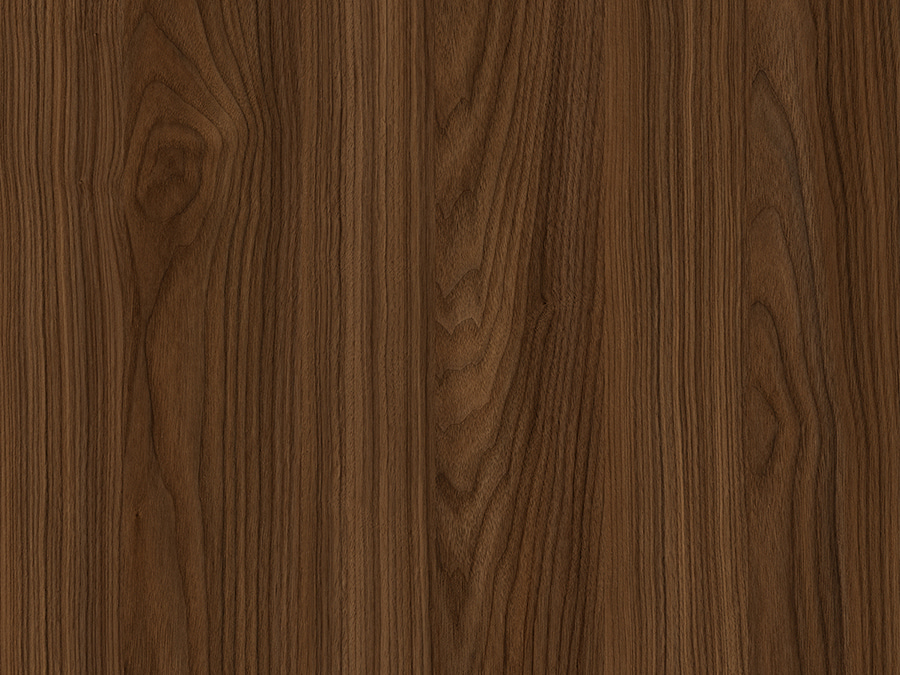
From a manufacturer’s perspective, investing in cutting-edge decorative paper technologies enables the delivery of walnut printed decorative paper that meets diverse customer needs. Whether clients want a flawless reproduction for luxury furniture or a durable alternative for high-traffic areas, today’s products provide versatile solutions. Highlighting these technical capabilities demonstrates expertise and builds trust with customers who expect performance as well as beauty.
Continuous refinement in the printing process also allows customization opportunities. Adjusting grain intensity, color tones, or finish types can tailor walnut decorative papers to specific design requirements. This flexibility makes the product line highly attractive in competitive markets, empowering designers and architects to realize unique visions while maintaining cost efficiency.
The evolution of walnut printed decorative paper technology marks a significant leap forward in decorative materials. Through precise digital printing, embossing, advanced pigmentation, and robust substrates, manufacturers offer a convincing walnut wood alternative that combines aesthetic excellence with practical benefits. This makes walnut decorative paper an increasingly sought-after choice for creating premium surfaces that balance style, durability, and affordability.







 Launch your project from a free price list tailored to your needs.