


 English
 русский
In the world of furniture design, surface design plays a crucial role in determining the visual appeal, tactile experience, and overall functionality of a piece. While the structure and shape of furniture are important, it is often the surface treatment, texture, and finish that bring a design to life. Surface design is a broad concept that encompasses various methods, materials, and artistic processes, each of which contributes to the unique character of the final piece.
Whether it's a wooden coffee table, a metal chair, or a fabric-covered sofa, the surface design enhances how we experience the object on both an emotional and practical level. This article delves into the importance of surface design in furniture, how it impacts the final outcome, and the current trends that are shaping the way we think about furniture surfaces.
What is Surface Design for Furniture?
Surface design in furniture refers to the treatment, texture, pattern, color, and finish applied to the surface of furniture pieces. This aspect of design not only involves the aesthetic appeal of furniture but also focuses on the materials and techniques used to modify the surface for functional or stylistic purposes. Surface design can involve everything from lacquered wood to patterned fabrics, from polished metals to distressed finishes, each choice adding a unique flair and character to the piece.
The Importance of Surface Design in Furniture
Aesthetic Appeal
The surface treatment of furniture is one of the most significant factors that contribute to its visual appeal. Whether it's the sleek, high-gloss finish of a modern dining table or the intricate carvings on a traditional wooden cabinet, the surface design is a reflection of the overall style of the piece. It can define the tone of a room, complement existing decor, and even become a conversation starter.
Texture: The feel of the surface, whether smooth, rough, or textured, can enhance the tactile experience. For example, a soft velvet sofa offers a different sensory experience than a sleek leather chair.
Color and Finish: The choice of color and the finish on a piece of furniture can dramatically influence the mood of a room. Glossy finishes often convey modernity and sophistication, while matte or distressed finishes can give a piece a more vintage, rustic look.
Pattern and Design: Surface design is also about adding artistic elements to furniture. Patterns can be painted, woven, or printed onto the surface, creating intricate visual details that are both functional and beautiful.
Functional Considerations
Surface design isn't just about appearance; it also impacts how the piece functions in the home. The materials and finishes chosen can increase the durability of furniture, protect it from wear and tear, or even make it easier to clean and maintain.
Durability: Some finishes, like varnishes or protective coatings, can enhance the longevity of the furniture, protecting it from water damage, scratches, and other signs of wear.
Maintenance: The surface design can make a piece of furniture easier to maintain. For example, a matte finish may hide fingerprints better than a glossy finish, while fabric upholstery can be more comfortable but might require more regular cleaning.
Ergonomics: The texture and material of a surface can also affect comfort. A soft fabric or cushioned surface can add to the comfort of a piece, while smooth or hard surfaces may be more suitable for certain functional aspects like tables or storage units.
Sustainability
In recent years, sustainability has become a major consideration in surface design for furniture. Designers and manufacturers are increasingly exploring eco-friendly materials, non-toxic finishes, and sustainable production methods. These practices not only contribute to a healthier environment but also add an element of conscientiousness to the furniture's design.
Eco-friendly materials: Reclaimed wood, recycled metal, and natural fabrics are some examples of sustainable materials that are being used in furniture surface design.
Low-impact finishes: Non-toxic, water-based paints and finishes are becoming more common in furniture production, reducing harmful emissions and chemicals in the environment.
Personalization
Another aspect of surface design is the ability to personalize furniture. Through custom finishes, colors, and textures, surface design allows consumers to create unique pieces that reflect their personal style and taste. Whether it's choosing a specific wood grain for a table or opting for a bold color for a chair, surface design is a way to make each piece feel one-of-a-kind.
Techniques and Materials in Surface Design
Surface design encompasses a wide range of techniques and materials that can be applied to furniture. Below are some of the most common methods and materials used in modern surface design for furniture.
Wood Finishes
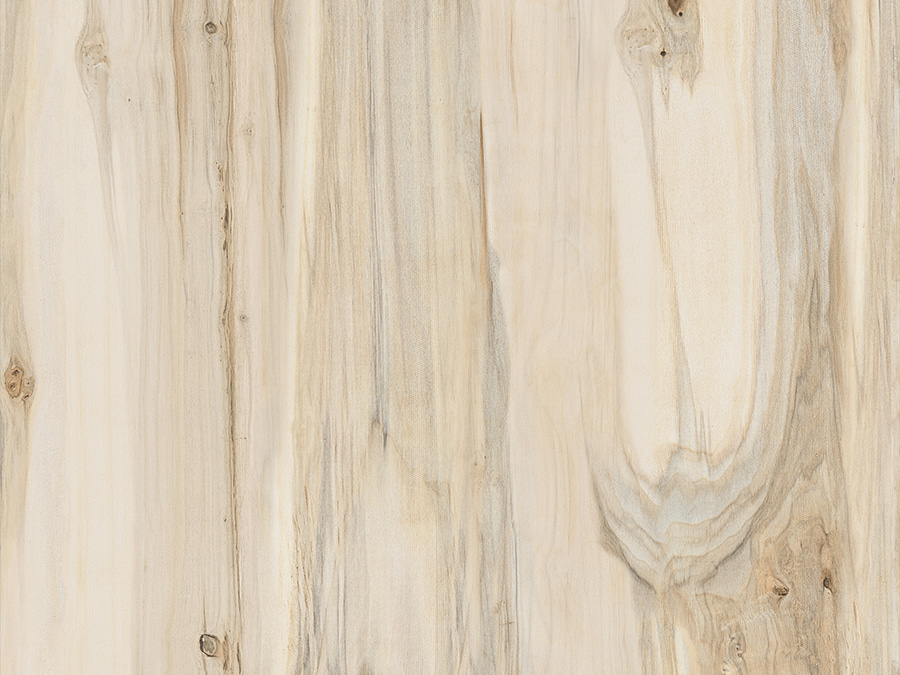
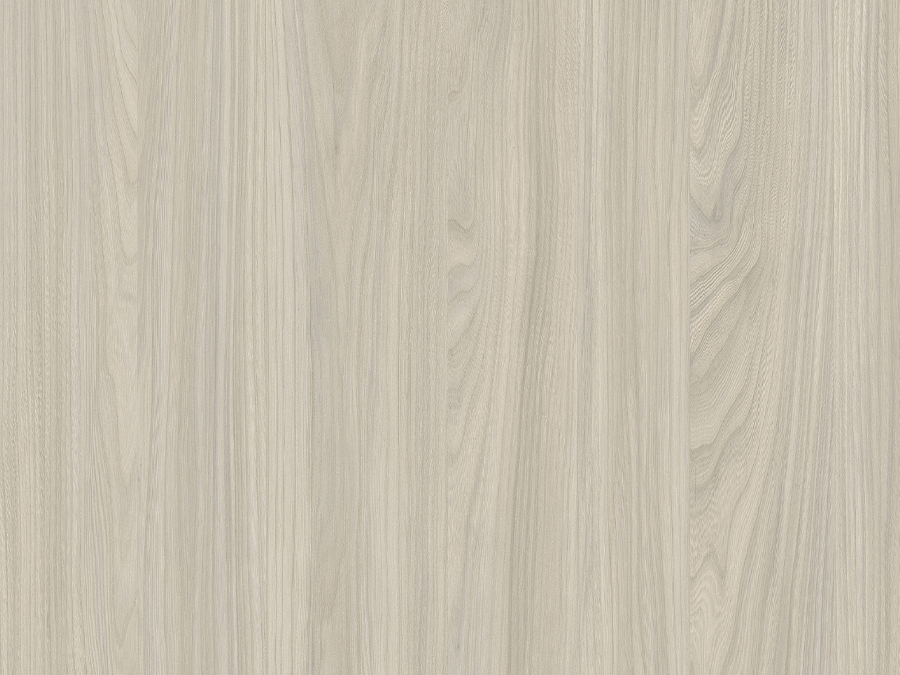
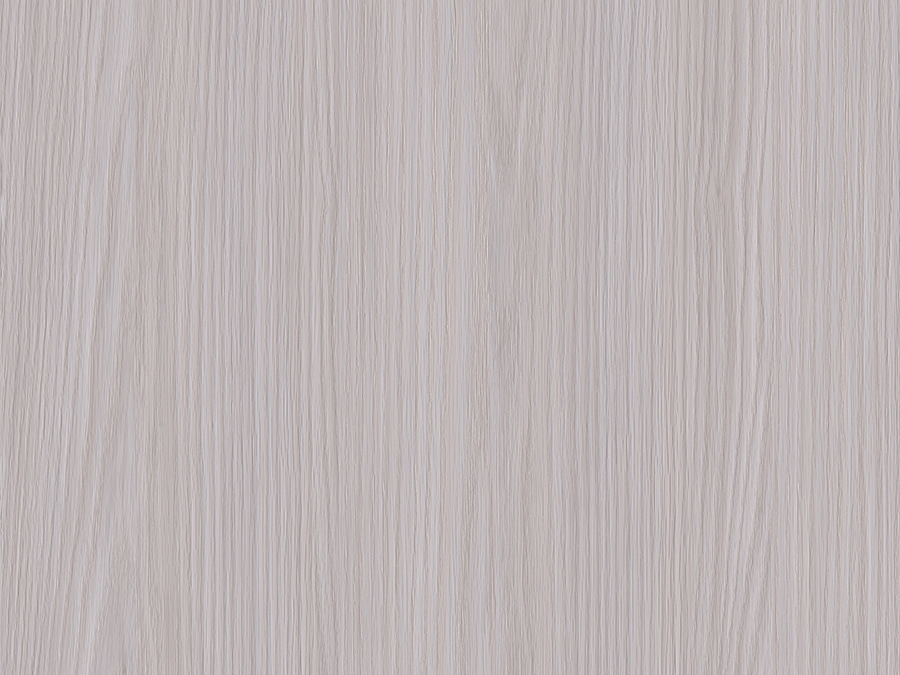
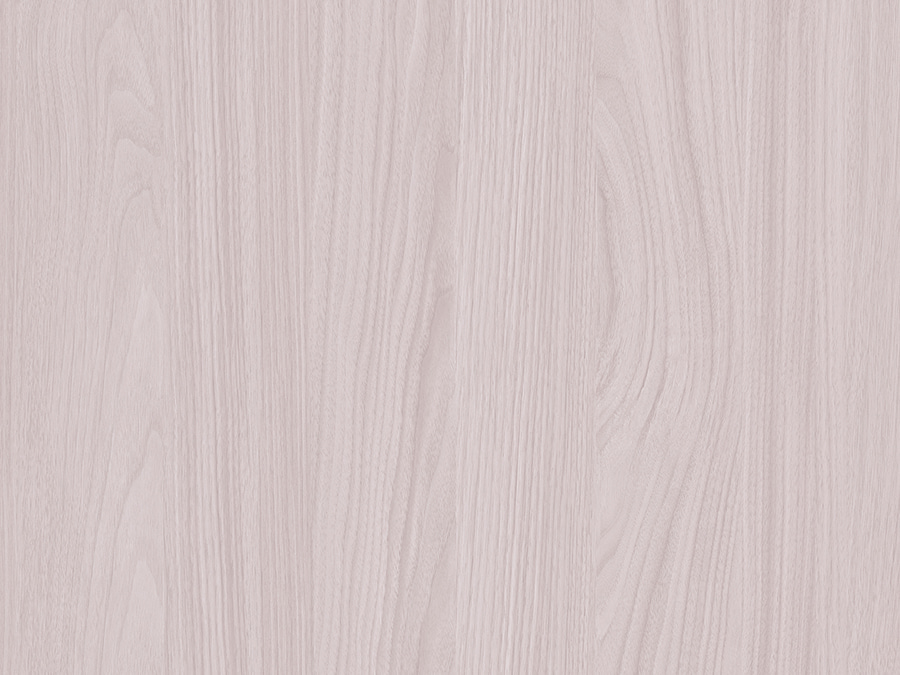
Wood is a classic material in furniture design, and the finish applied to its surface can drastically alter its appearance and texture. Popular finishes include:
Varnish: Provides a glossy, smooth surface that protects the wood and enhances its natural grain.
Staining: Adds color to the wood while allowing the grain to show through, providing a more natural or rustic appearance.
Distressed Finishes: This technique involves intentionally aging or weathering the wood to give it a vintage, worn look.
Lacquer: A smooth, high-gloss finish that is often used in modern furniture design for a sleek, polished look.
Metal Surface Treatments
Metals like steel, aluminum, and brass are often used in furniture design, and the surface treatment can vary depending on the desired effect.
Polished Metal: Often used for a shiny, reflective surface that adds a modern, industrial touch to furniture.
Brushed Metal: This technique creates a matte surface with subtle texture, giving the metal a softer, more refined look.
Powder Coating: A process that applies a durable, colored finish to metal surfaces, often used for outdoor furniture to withstand the elements.
Textile and Upholstery
The fabric or upholstery on a piece of furniture can also be a significant aspect of surface design. Different materials and treatments can influence the look and feel of the piece.
Leather: Often used for chairs, sofas, and ottomans, leather offers a luxurious and durable surface.
Velvet: Known for its rich texture and softness, velvet is often used in upholstery for a more refined or opulent look.
Printed Fabrics: Custom or pre-designed patterns can be printed onto fabrics for sofas, cushions, or chairs to add bold design elements.
Glass and Acrylic Surfaces
Glass and acrylic are often used in modern furniture design for their sleek, transparent, and light-reflecting properties.
Frosted Glass: Provides a matte finish that diffuses light and adds a soft texture to the surface.
Clear Acrylic: Known for its clarity and modern aesthetic, acrylic surfaces are often used in contemporary furniture pieces.
Ceramics and Stone
Ceramic tiles or stone surfaces can be applied to furniture pieces, especially for tables and countertops. These surfaces can be finished in a variety of ways:
Glazed Ceramic: A shiny, smooth finish often used in tabletops.
Polished Stone: Adds a natural, elegant finish, particularly with materials like marble or granite.
Current Trends in Surface Design for Furniture
Natural Materials and Textures
There has been a growing trend towards raw, natural materials like wood, stone, and metal, with a focus on highlighting their inherent textures and grains. This trend embraces imperfections, with designers celebrating rough edges and organic shapes.
Sustainability and Eco-friendly Practices
As mentioned earlier, sustainability is at the forefront of furniture design, with many designers opting for reclaimed or recycled materials, natural finishes, and eco-friendly production methods. Consumers are increasingly seeking furniture that aligns with their values.
Bold Color and Pattern
While neutral tones remain popular, there has been a resurgence of bold colors and patterns in surface design. Bright, vibrant hues, geometric patterns, and artistic designs are being used to make furniture stand out as statement pieces.
Matte Finishes
Matte finishes are gaining popularity in both wood and metal furniture design. These finishes are seen as more contemporary and subtle, offering a refined alternative to high-gloss options.
Conclusion
Surface design in furniture is an essential aspect of furniture design that affects both the aesthetics and functionality of the piece. It involves the treatment, material selection, and finishing of furniture surfaces to create a unique, visually appealing, and durable product. As trends continue to evolve, surface design is becoming more experimental and sustainable, pushing the boundaries of traditional furniture design. Whether you're designing a new piece for your home or simply appreciating the craftsmanship behind a well-designed object, surface design plays a pivotal role in shaping the overall experience of furniture.








 Launch your project from a free price list tailored to your needs.